If you’re sourcing injection molding or tooling, you’ve probably seen the classic comparison: Europe vs. China. The chart above breaks down ten factory strengths, and the differences are sharp. Here’s what they mean for your next mold project.
Where Europe Leads
Europe excels in four critical areas for high-end manufacturing:
-
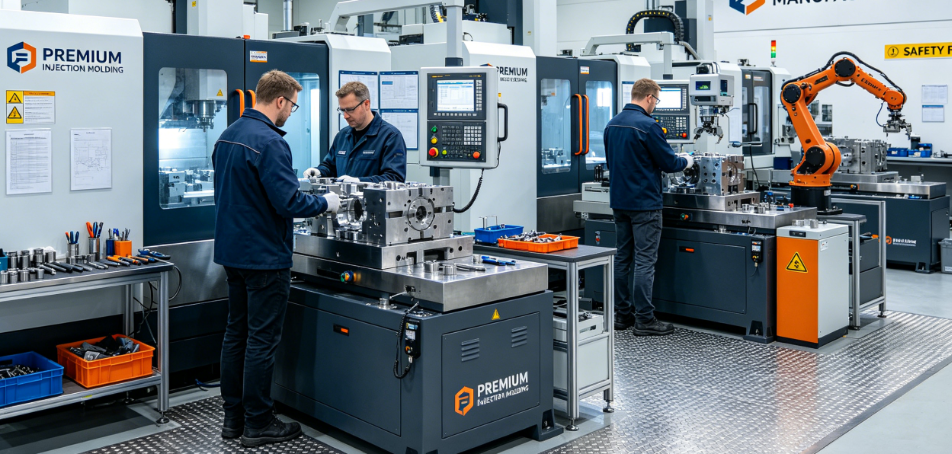
Systems & Compliance – European factories run on strict documentation, certifications (ISO, TÜV, CE), and traceability. For injection molding in medical devices or automotive safety parts, this is non-negotiable.
-
Sustainability – With EU regulations pushing carbon reduction, European molders use recycled resins, energy-efficient presses, and green logistics. If your brand needs a low-footprint supply chain, Europe delivers.
-
Stability – No sudden policy shifts, no surprise logistics breakdowns. European tooling shops are predictable. Lead times are longer, but so is peace of mind.
-
Proximity – For European OEMs, local molding means faster design iterations, easier tooling repairs, and no ocean freight risks.
Best for: Low-to-medium volume, high-complexity, regulated parts where quality beats cost.
Where China Dominates
China flips the scorecard entirely, winning on speed, cost, and scale:
-
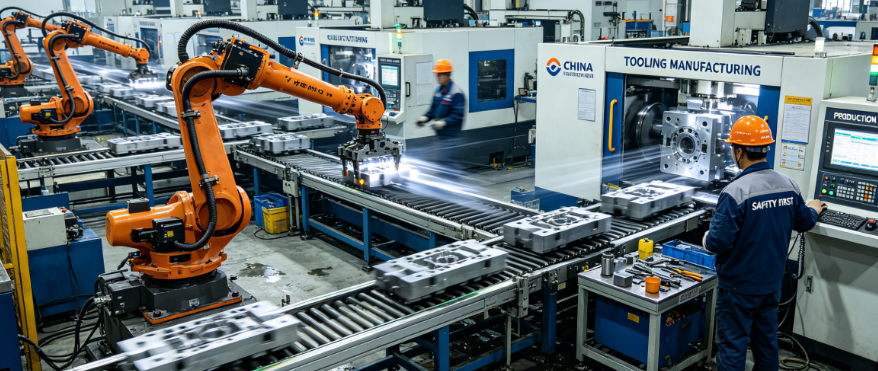
Speed – Chinese tooling shops can cut a mold in days, not months. From CAD file to first shot, the pace is unmatched.
-
Cost Efficiency – A steel mold in China costs 40–60% less than in Europe. Hourly rates for injection molding machines are lower across the board.
-
Flexibility – Need to change a wall thickness or add an ejector pin? Chinese shops adapt fast. No rigid processes, just solutions.
-
Supply Chain Depth – In cities like Shenzhen or Dongguan, everything for tooling (hot runners, steels, sensors) is within an hour’s drive.
-
Scalability – Going from 10k to 500k parts per month? Chinese factories scale instantly via subcontractor networks.
Best for: High-volume consumer goods, fast-turnaround molds, cost-driven projects.
The Hard Trade-offs
No region wins everywhere. Here’s where you compromise:
-
Speed vs. Stability – China is faster, but vulnerable to shipping delays or local disruptions. Europe is slower but rock-solid.
-
Cost vs. Compliance – China saves you money, but you’ll spend extra time auditing suppliers for REACH or RoHS. Europe bakes compliance in.
-
Flexibility vs. Sustainability – China says “yes” to almost any design change. Europe says “yes, but here’s the carbon report.”
A Smart Hybrid Strategy
Many experienced buyers now split the difference:
-
Build the tooling in China – Pay 1/3 the price for a high-quality mold.
-
Ship the mold to Europe – Run injection molding locally for small batches or regulated products.
-
Or reverse it – Keep critical tooling in Europe for IP protection, then use China for secondary parts.
Final Take
There’s no single “best” factory.
-
Choose Europe when you need compliance, sustainability, stability, or proximity.
-
Choose China when you need speed, low cost, flexibility, or massive scale.
Look at your volume, your risk tolerance, and your regulatory requirements. The chart gives you the map. Your project gives you the answer.