Choosing the wrong gate type can mean cosmetic defects, a scrapped mold, or a delayed project. Here's a plain-language breakdown of the three most common gates — and when to use each.
Pin Point Gate: Three-plate mold, multi-point gating, auto break-off
Submarine Gate: Two-plate mold, auto shear on ejection, concealed mark
Valve Gate: Hot runner, pin-controlled, virtually invisible mark
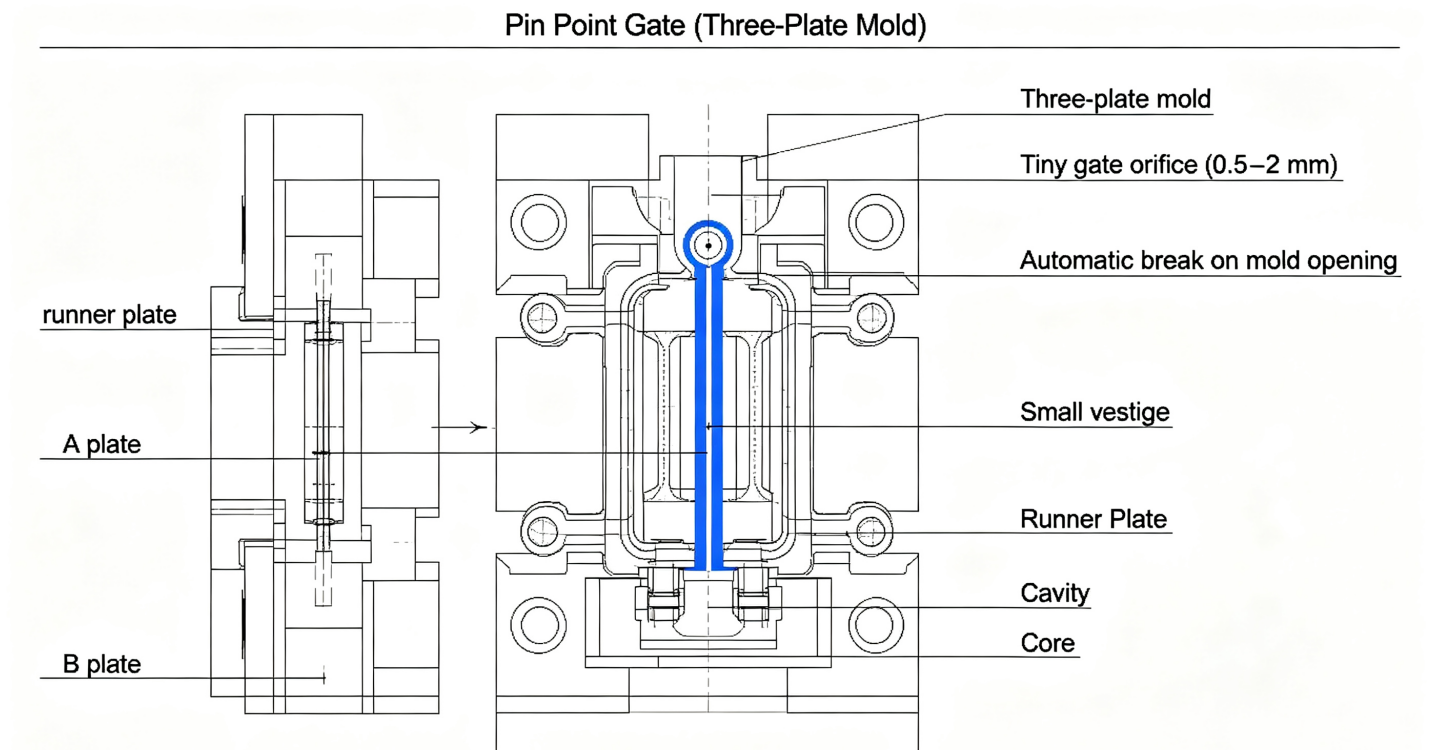
Pin Point Gate — Used in three-plate molds. Melt enters through a tiny orifice (0.5–2 mm). Auto break-off on mold opening. Flexible locations, good for multi-point gating. Downside: high pressure loss.
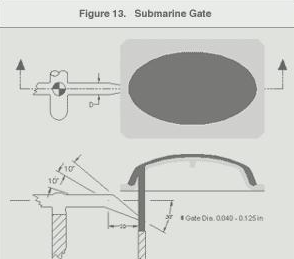
Submarine Gate — Used in two-plate molds. Gate dives below the parting plane and shears off during ejection. Concealed mark, fully automatic. Downside: not suitable for brittle or very tough materials.
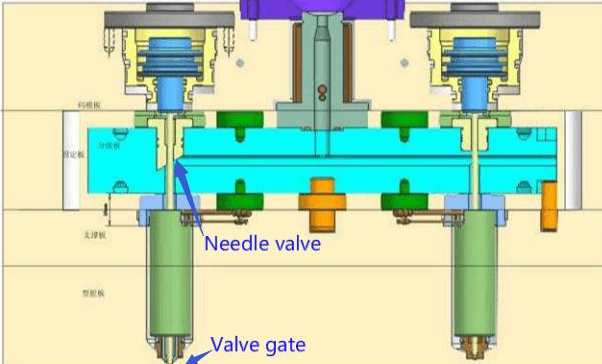
Valve Gate — Hot runner system with a mechanically controlled pin. Extremely small, smooth gate mark. Precise flow control and sequential injection. Downside: higher cost and maintenance.
| Item | Pin Point | Submarine | Valve |
|---|---|---|---|
| Mold structure | Three-plate | Two-plate | Hot runner |
| Degating | Break on opening | Shear on ejection | Pin-controlled |
| Gate mark | Small | Concealed | Tiny, smooth |
| Mold cost | Medium | Medium | High |
| Maintenance | Low | Low | High |
Pin Point Gate — Multi-point gating needed; thin walls with long flow paths; three-plate molds. Best for small-to-medium precision parts.
Submarine Gate — Fully automatic production; gate mark must be hidden; limited mold budget; high-volume, multi-cavity small parts.
Valve Gate — Extremely high appearance requirements; precise multi-cavity fill balance; automotive, electronics, medical, or packaging applications; sequential gating to eliminate weld lines.
There's no absolute best gate — only the right fit. Evaluate appearance requirements, mold structure, material characteristics, and production volume. When in doubt, run a mold flow analysis.
JBRplas has been a family-owned custom injection molding manufacturer since 1995, ISO 13485 & 9001 certified. We handle everything in-house — design, mold making, molding, decoration, assembly, and packaging.
30+ years of experience
10,000㎡+ workshop, 100+ machines
Extensive Western project experience
In-house tooling, molding, and secondary operations
"Right First Time" philosophy
Visit us at Fakuma 2026 — Booth A7-7402, October 12–16, Friedrichshafen, Germany.
Get a quote at j-mold.com — upload your STEP files for instant preview and real-time 3D visualization.
Pick the right gate, and your project is halfway to success. Pick the right partner, and the rest takes care of itself.