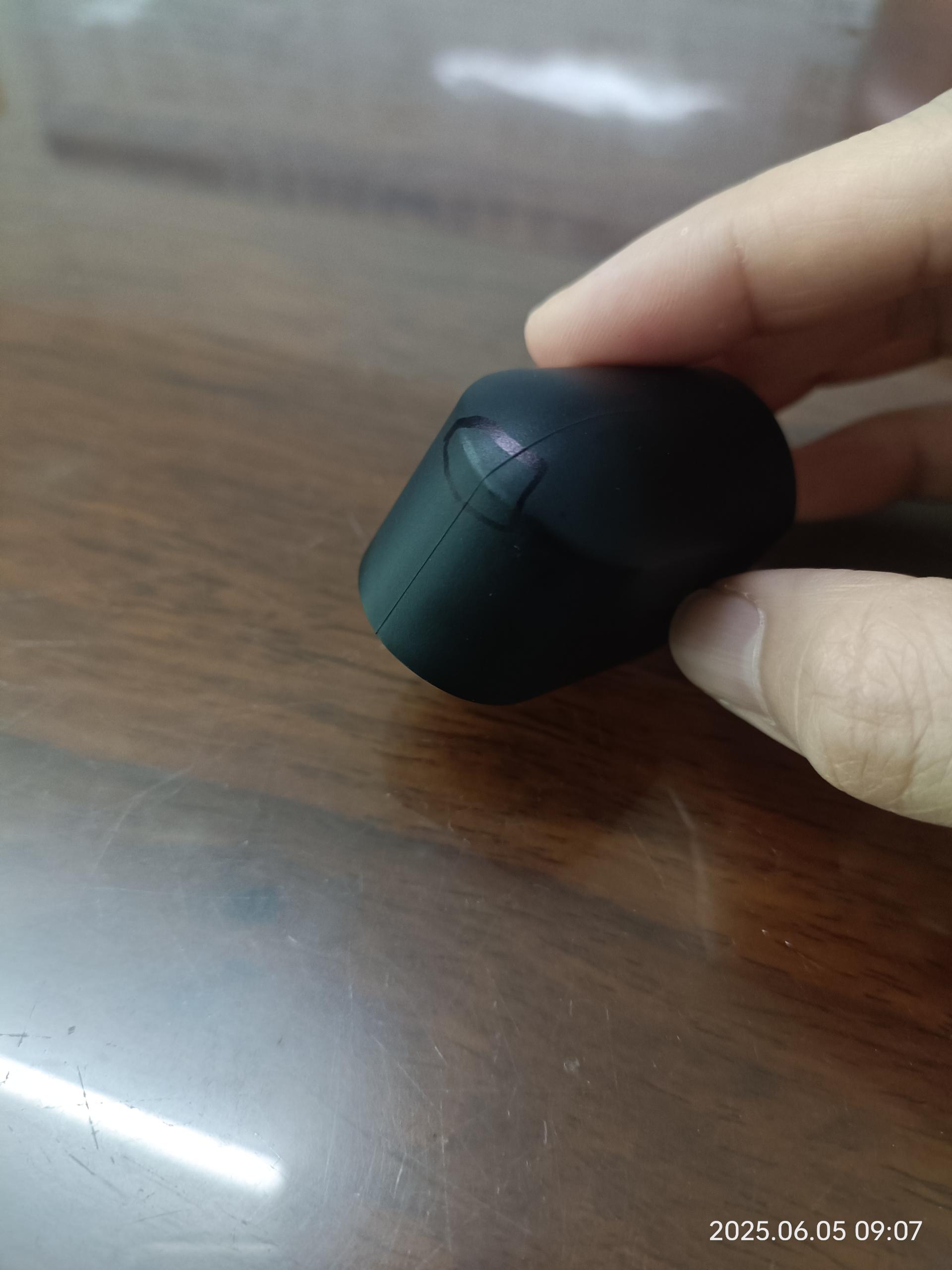
 Decoding Oil Marks: More Than Meets the Eye
Oil marks (often termed gloss anomalies or flow-induced shine defects) manifest as irregular glossy patches, typically appearing near structural features like ribs, thick walls, or flow-end zones. These visual disruptions stem from complex interactions between material behavior, process dynamics, and mold design—a trifect our team at JBRplas systematically addresses.
Root Causes and Advanced Countermeasures
1. Thermal Degradation: The Silent Quality Killer
Beyond Shear Heating: While excessive screw shear remains a primary trigger, we’ve identified subtler factors like melt temperature gradients and residence time mismatches in multi-cavity molds. Our solution combines:
- Dynamic Shear Rate Control: Real-time adjustment of screw RPM based on viscosity monitoring
- Thermal Profiling: Infrared mapping of barrel zones to eliminate localized overheating
- Mold-Specific Cooling Algorithms: Predictive cooling channel designs using AI-driven simulation tools
2. Venting: The Art of Controlled Gas Escape
Conventional venting strategies often fail in complex geometries. JBRplas employs:
- Micro-Venting Systems (50-100 μm gaps) for high-aspect-ratio features
- Gas Permeable Steel Inserts in deep-cavity regions
- Pressure-Decay Testing during mold qualification
3. Injection Dynamics: Mastering the Flow Frontier
Our research reveals that accelerated flow front instability (FFI) amplifies oil mark formation. We combat this through:
- Phase-Staged Injection: 7-segment velocity/pressure profiles tuned to part geometry
- Melt Front Stabilization: Strategic use of flow leaders and hesitation zones
- Rheology-Adaptive Control: Real-time viscosity compensation via closed-loop sensors
4. Surface Perfection: Where Nanotechnology Meets Mold Making
Moving beyond standard polishing, JBRplas implements:
- Electrolytic Plasma Polishing (EPP) for sub-0.1μm Ra surfaces
- Diamond-Like Carbon (DLC) Coatings to minimize friction-induced gloss variation
- Topographic Texture Mapping: Aligning grain direction with melt flow patterns
5. Material Science: The Purity Paradigm
Our environment ensures:
- ****: Microwave-assisted drying with <50ppm moisture control
- Virgin Resin Fingerprinting: FTIR-verified material traceability
- Additive Engineering: Custom nucleating agents to enhance flow homogeneity
Our defect prevention framework integrates:
| Phase | Innovation Highlights | Design | AI-powered mold flow simulation (MoldEx® 4.0) | | Prototyping | Short-run molding with surface metrology scans | | Production | IoT-enabled presses with adaptive DoE controls | | Validation | 4K optical inspection at 12μm resolution |
Why JBRplas Reigns Supreme in Surface-Critical Molding?
- 57% Reduction in gloss defects vs. industry benchmarks (2024 quality audit data)
- 14 Patents in surface perfection technologies
- Dual-Region Molding Cells: Separate environments for hygroscopic/standard materials
Whether you’re developing MRI-safe medical components or luxury automotive trims, our surface-first philosophy transforms injection molding from a manufacturing process into an art form.
 Decoding Oil Marks: More Than Meets the Eye