The shrinkage rate is a crucial factor in mold design and injection molding. Ignoring this key parameter can lead to several significant issues during production.
1. Plastics Shrink After Cooling
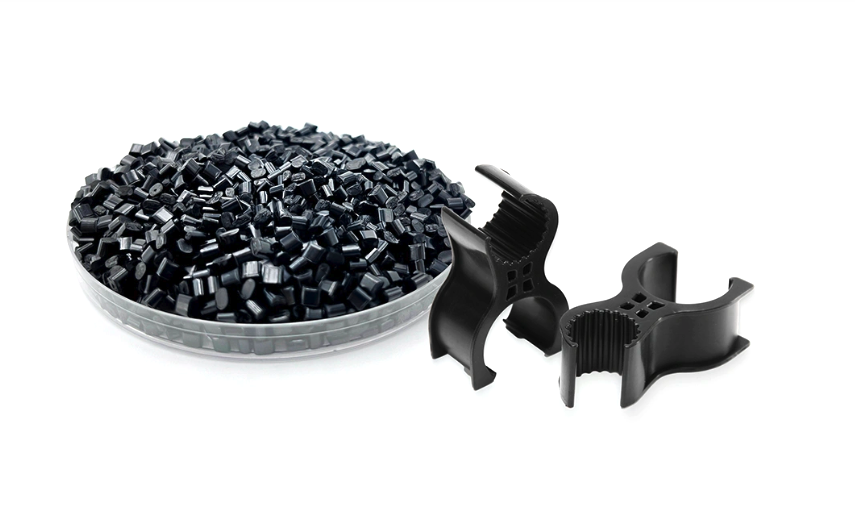
When thermoplastics are injected into a mold, they are in a molten state. Upon cooling, they shrink, which is known as the shrinkage rate. If this shrinkage isn’t accounted for during mold design, the final molded part will be smaller than the intended dimensions, potentially causing assembly issues or out-of-tolerance parts.
2. Shrinkage Rate Varies by Material
Different materials shrink at different rates, making it essential for mold designers to account for this variation:
-
ABS: Shrinks around 0.4%–0.7%, relatively small.
-
PA (Nylon): Can shrink 1.0%–2.0%, quite large.
-
Glass-Fiber Reinforced Materials: Shrink less overall, but the shrinkage rate is not uniform in all directions, often leading to warpage.
The mold dimensions need to be tailored based on the material used to ensure accurate production.
This means mold dimensions must be tailored to the specific material.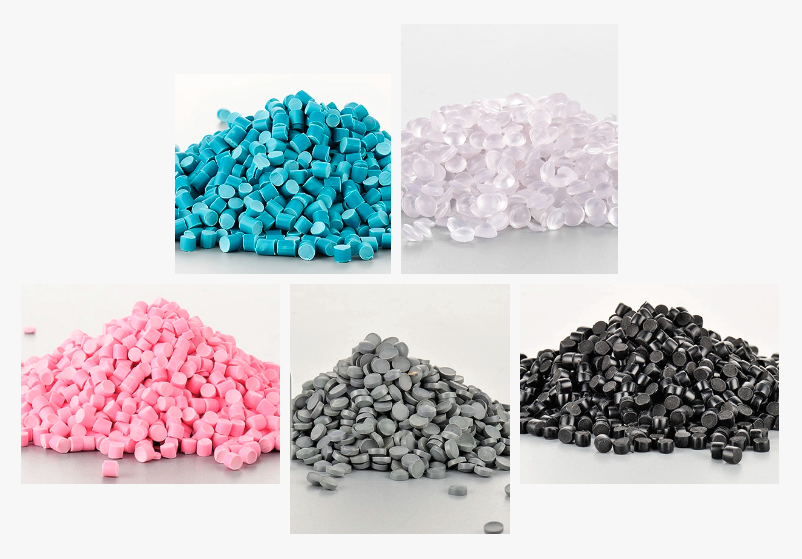
3. Impact on Mold Dimension Design
Mold engineers must adjust the mold cavity dimensions by factoring in the shrinkage rate. The formula to calculate the mold dimension is:
Mold Dimension = Product Dimension × (1 + Shrinkage Rate)
If the shrinkage value is off, the mold could either need to be reworked or scrapped entirely.
4. Shrinkage Rate Affects Product Quality
-
Excessive Shrinkage: Can cause deformation, warpage, and internal stress in the part.
-
Uneven Shrinkage: Leads to unstable dimensions and assembly difficulties.
-
Proper Shrinkage Control: Ensures high precision, durable molds, and fewer errors during the molding process.
5. Impact on Production Cost and Lead Time
Neglecting to account for shrinkage often leads to mold rework or even complete remanufacture, wasting material, machining time, and trial molding costs. This results in delayed delivery and diminished customer trust.
Plastic Mold Shrinkage Rate Table
| Material |
Shrinkage Rate |
Material |
Shrinkage Rate |
Material |
Shrinkage Rate |
| ABS REV |
1.006 |
PA 6 |
1.01–1.06 |
TPE-HTPS |
1.020 |
| ABS+PC |
1.0055 |
PA 101 |
1.015 |
NORYL SET\RIVAL |
1.005 |
| ABS SIEMENS |
1.005 |
PA 66 |
1.014 |
AC |
1.020 |
| ABS MAPED |
1.0045 |
PA 12 |
1.012 |
PETG Transparent Engineering |
1.004 |
| ABS 10%GF |
1.003 |
PA 6+30%GF MAPED |
1.004 |
PBT 2002 |
1.018 |
| AS\SAN |
1.004 |
PA 66+30%GF |
1.003 |
PBT 6302 |
1.010 |
| CAB\CAP |
1.005 |
PA 66+50%GF |
1.003 |
ACRYLIC |
1.005 |
| BS\K BATTS |
1.018 |
PVC |
1.015–9 |
PPE |
1.005 |
| BS\K YAQIAN |
1.006 |
PVC (Soft) |
1.02–5 |
PPE+PS |
1.009 |
| PBT 2002 |
1.018 |
PPO GB6401 |
1.005 |
PETG |
1.005 |
| PBT 6302 |
1.010 |
PPO\GATEHILL |
1.006 |
PES |
1.006 |
| EVA Foam Rubber |
1.020 |
POM\M90–94 |
0.19 |
PPS\WHIRLPOOL |
1.003 |
| PEN\DuPont |
1.025 |
POM\THOMSON |
1.018 |
GP |
1.006 |
| PEN\DuPont GOLDEN |
1.020 |
POM\CASIO Mould Steel |
1.02 |
PS+30%GF |
1.006 |
| PC\Antiflaming |
1.006 |
PP\Korean Poly |
1.018 |
PS\GP Resin |
1.004 |
| HTS |
1.005 |
PP\Fire Retardant |
1.014 |
PS\HT\BATTS Non-Foaming |
1.005 |
| PC 124 |
1.006 |
PP\WHIRLPOOL |
1.01 |
PU |
1.015 |
| PC+10%GF |
1.003 |
PP+20%GF |
1.003 |
VALOX\KT |
1.003 |
| PC+PET |
1.006 |
PP+TALC\K1 |
1.009 |
ZYTEL 406 |
1.003 |
| PSU |
1.005 |
PC+30%GF |
1.003 |
CA Acid Ester Rubber |
1.015 |
| PSU |
1.015 |
PET+20%GF |
1.003 |
AM 4800 |
1.018 |
| PBT+30%GF\ABS |
1.003 |
PET+30%GF |
1.003 |
KRATON\Synthetic Rubber |
1.008 |
| PF |
1.008 |
PMMA\CASIO |
1.003 |
TPE |
1.015 |
| PPS+40%GF |
1.003 |
PMMA\YKK |
1.005 |
PA66+10%GF |
1.010 |