Injection molding is one of the most versatile and widely used manufacturing processes, made possible by the availability of numerous plastic materials tailored to specific applications. Each material offers unique properties that make it suitable for different industries, ranging from automotive to electronics, consumer goods, and medical devices. In this article, we’ll explore the top 10 injection molding materials and their applications, helping you choose the best one for your project.
1. Acrylonitrile Butadiene Styrene (ABS)
- Properties: High impact resistance, excellent toughness, and ease of machining.
- Applications: Widely used for products like automotive parts, electronics housings, and household appliances.
- Why Choose ABS?: Its balance of strength and affordability makes it one of the most commonly used injection molding materials.
2. Polypropylene (PP)
- Properties: Lightweight, chemically resistant, and highly durable.
- Applications: Ideal for food containers, medical components, automotive battery casings, and living hinges.
- Why Choose PP?: Its versatility and food-grade quality make it a favorite for consumer products.
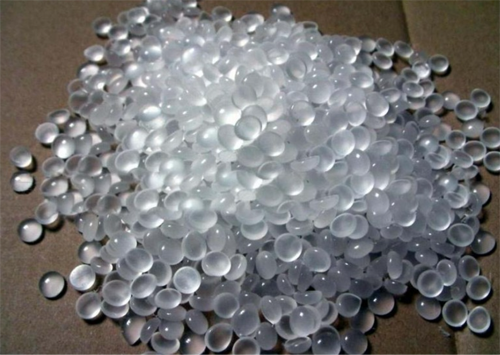
3. Polycarbonate (PC)
- Properties: High strength, transparency, and resistance to heat and impact.
- Applications: Common in optical lenses, protective equipment, and medical devices.
- Why Choose PC?: Its optical clarity and toughness make it perfect for transparent and durable products.
4. Nylon (PA)
- Properties: Strong, abrasion-resistant, and capable of withstanding high temperatures.
- Applications: Frequently used in gears, bushings, and industrial applications.
- Why Choose Nylon?: Its mechanical strength and versatility are ideal for engineering components.
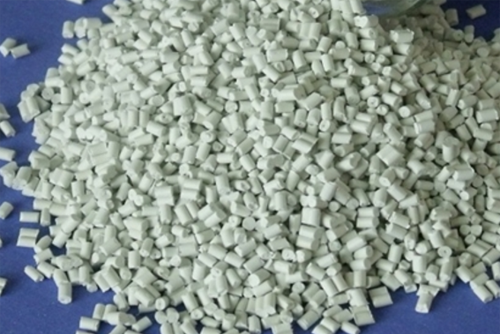
5. Polyethylene (PE)
- Properties: Flexible, lightweight, and chemically inert.
- Applications: Used in food packaging, pipes, and children’s toys.
- Why Choose PE?: Its cost-effectiveness and flexibility make it suitable for mass production.
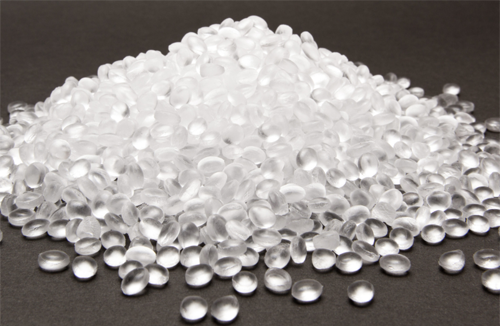
6. Polyethylene Terephthalate (PET)
- Properties: Strong, lightweight, and resistant to moisture and solvents.
- Applications: Widely used for beverage bottles, containers, and food-grade packaging.
- Why Choose PET?: It’s recyclable and ideal for sustainable manufacturing.
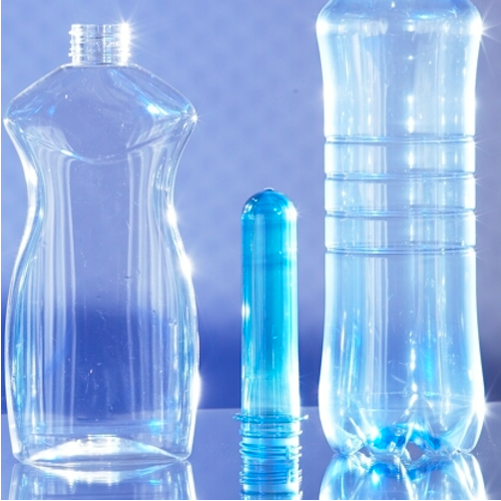
7. Polystyrene (PS)
- Properties: Lightweight and easy to mold, with good clarity and insulation properties.
- Applications: Used in disposable cutlery, CD cases, and packaging materials.
- Why Choose PS?: Its low cost and ease of use make it suitable for disposable and single-use products.
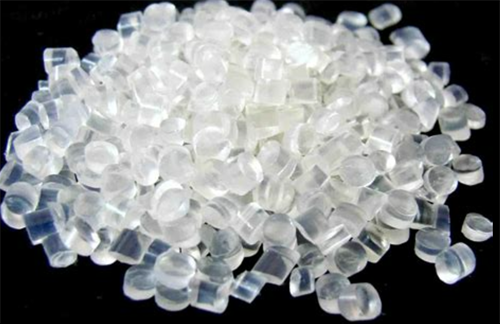
8. Thermoplastic Elastomers (TPE)
- Properties: Flexible, elastic, and durable.
- Applications: Common in overmolding applications like soft-touch grips for electronics and automotive parts.
- Why Choose TPE?: Its ability to combine elasticity with processability makes it a versatile choice.
9. Polymethyl Methacrylate (PMMA)
- Properties: Transparent, weather-resistant, and lightweight.
- Applications: Used in display screens, signage, and medical devices.
- Why Choose PMMA?: Its clarity and weather resistance make it an excellent alternative to glass.
10. Polyoxymethylene (POM)
- Properties: High stiffness, low friction, and excellent dimensional stability.
- Applications: Ideal for gears, bearings, and precision components in the automotive and electronics industries.
- Why Choose POM?: Its precision and durability make it a go-to material for mechanical parts.
How to Choose the Right Injection Molding Material?
When selecting a material, consider the following:
- Application Requirements: Does your product require durability, flexibility, or transparency?
- Cost-Effectiveness: Balance material costs with performance.
- Regulatory Compliance: Ensure the material meets industry standards, such as food safety or medical-grade certifications.
- Environmental Impact: Opt for recyclable or biodegradable materials for sustainable manufacturing.
Why Partner with JBR for Your Injection Molding Needs?
As a One-Stop Injection Molded Plastic Parts Manufacturer, JBR specializes in helping clients choose the perfect material for their projects. Whether it’s high-strength ABS housings for electronics or flexible TPE grips, we have the expertise to ensure your product’s success.
Our state-of-the-art facilities and experienced team make JBR the ideal partner for all your injection molding needs.
Get in Touch
If you have any questions about selecting the right material or need expert advice for your injection molding project, feel free to contact JBR. We’re here to provide tailored solutions to meet your manufacturing requirements.
FAQ Section
1. What are the most commonly used injection molding materials?
Some of the most common materials include ABS, Polypropylene (PP), Polycarbonate (PC), and Nylon (PA), each with unique properties suited to different applications.
2. How do I choose the right injection molding material?
Consider factors like application requirements, cost, environmental impact, and industry regulations when selecting a material for your project.
3. Can JBR help with material selection?
Yes! JBR offers professional advice and support in selecting the perfect material to meet your specific needs and industry standards.
4. What industries use injection molding materials?
Injection molding materials are used in industries such as automotive, consumer electronics, medical devices, and packaging.
5. How can I contact JBR for assistance?
Simply reach out to us through our website or give us a call. JBR is ready to assist with all your injection molding questions and projects!