Injection molding is the backbone of modern plastic manufacturing, enabling the mass production of precise and intricate parts. At the heart of this process are the core and cavity, two critical components that define the shape and functionality of the final product. This article explores the roles, functions, and importance of core and cavity design in injection molding, ensuring high-quality results across various industries.
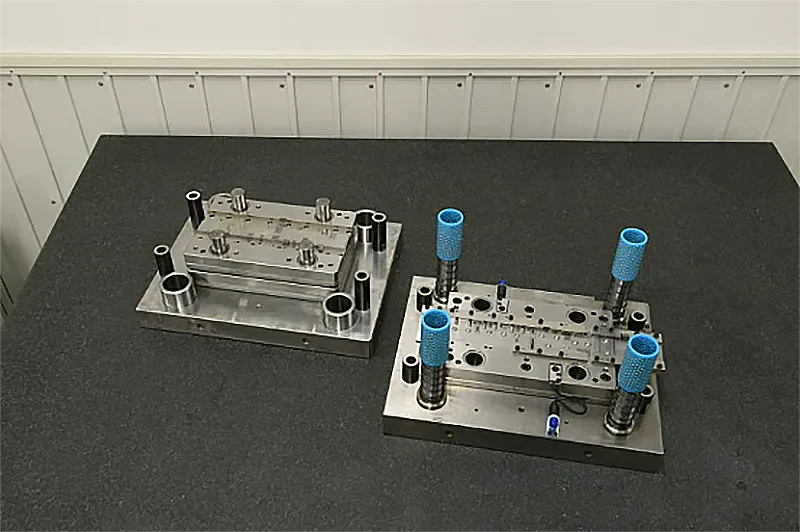
What Are Core and Cavity in Injection Molding?
The core and cavity are two essential parts of an injection mold that work together to shape the final product:
- Core: The core is the protruding (male) part of the mold, responsible for forming the internal features or hollow spaces of a plastic part.
- Cavity: The cavity is the concave (female) part of the mold that shapes the external surface of the part.
When the mold closes, the space between the core and cavity forms the mold cavity, into which molten plastic is injected. Once cooled, the plastic solidifies into the exact shape defined by the core and cavity.
How Core and Cavity Work Together
- Mold Closure: The core and cavity align precisely to form a sealed mold cavity.
- Plastic Injection: Molten plastic is injected into the cavity space, filling the mold and taking the shape of the core and cavity.
- Cooling: The molten material cools and solidifies, forming the final part.
- Ejection: Once cooled, the mold opens, and the part is ejected, typically aided by the core structure.
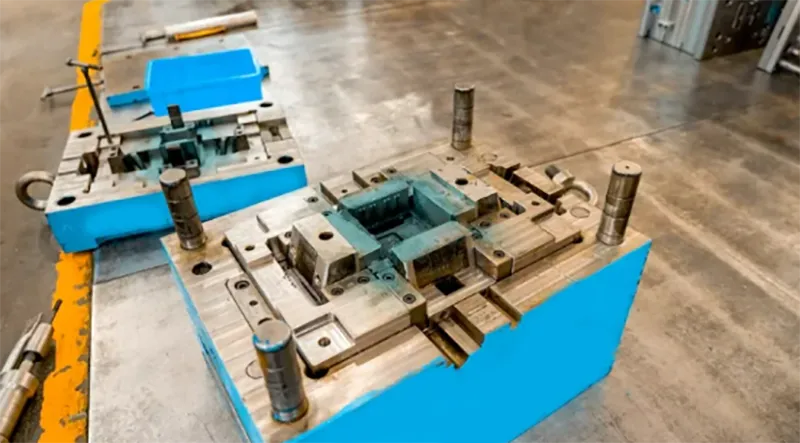
Why Precision in Core and Cavity Design Matters
The accuracy of core and cavity design has a direct impact on product quality and manufacturing efficiency. Key benefits include:
- Dimensional Accuracy: Precision design ensures the product meets tight tolerances and maintains consistency.
- Surface Finish: A polished cavity delivers smooth and defect-free surfaces on the molded part.
- Material Flow Optimization: Properly designed cores and cavities allow even material flow and minimize defects like warping, voids, or sink marks.
- Durability: Cores and cavities are often made from hardened steel or aluminum to withstand the high pressures of repeated injection cycles.
Applications of Core and Cavity Across Industries
- Consumer Goods: Producing durable and aesthetically pleasing parts for electronics, appliances, and everyday products.
- Automotive: Creating intricate and high-strength components for interiors, exteriors, and under-the-hood applications.
- Medical Devices: Ensuring precision and compliance for critical components like surgical tools and housings.
- Packaging: Manufacturing lightweight and thin-walled containers with consistent quality.
Common Materials for Core and Cavity Construction
The durability and performance of molds depend on the materials used:
- Hardened Steel: Preferred for high-volume production due to its durability and resistance to wear.
- Aluminum: Used for prototype molds or low-volume production where quick turnaround and cost-efficiency are priorities.
- Specialty Coatings: Applied to enhance wear resistance, improve part release, and ensure a longer mold lifespan.
Benefits of Precision Core and Cavity Molds
- Higher Production Efficiency: Well-designed cores and cavities reduce cycle times and minimize defects.
- Cost Savings: Optimized molds reduce rework, material waste, and downtime.
- Consistency: Reliable design ensures uniform quality across all production batches.
Conclusion
In injection molding, the core and cavity are indispensable for creating precise, high-quality plastic parts. Their design determines product accuracy, durability, and overall efficiency in the manufacturing process. Understanding and optimizing these components are essential for industries that rely on injection molding to produce consistent and reliable products.
About JBR
At JBR, we specialize in designing and producing bespoke plastic parts through high-precision injection molding. As a Plastic Fabrication Specialist and One-Stop Injection Plastic Parts Provider, we deliver exceptional mold solutions tailored to meet your specific needs. By leveraging advanced engineering techniques and premium materials, we ensure your products meet the highest standards of quality and performance.
FAQs
1. What is the difference between a core and cavity?
The core forms the internal features of a part, while the cavity shapes its external surface.
2. Why is precision critical in core and cavity design?
Precision ensures dimensional accuracy, smooth finishes, and defect-free production.
3. What materials are used for cores and cavities?
Hardened steel is used for high-volume molds, while aluminum suits prototypes and low-volume production.
4. How do core and cavity affect production efficiency?
Well-designed cores and cavities reduce defects, streamline cooling, and optimize cycle times.
5. Why choose JBR for mold design and production?
JBR combines expertise, advanced tools, and customer-focused solutions to deliver high-quality, custom injection molds.