Injection molds are the cornerstone of plastic manufacturing, enabling the production of high-precision parts for various industries. Before molds are approved for production, they must meet stringent acceptance standards to ensure product quality, durability, and efficiency. This article outlines the key injection mold acceptance standards, detailing critical checks to guarantee performance and reliability.
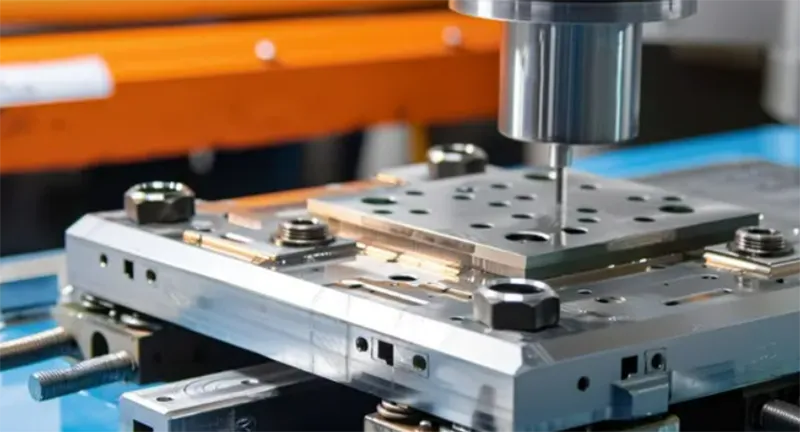
What Are Injection Mold Acceptance Standards?
Injection mold acceptance standards are a set of evaluation criteria used to inspect and verify the quality, precision, and functionality of a mold before it is put into full-scale production. These standards ensure that the mold meets design requirements, operates reliably, and produces parts with consistent quality.
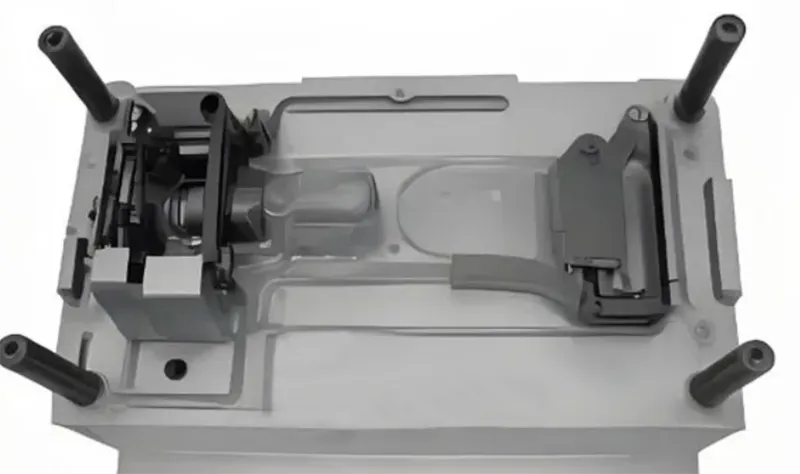
Key Injection Mold Acceptance Criteria
1. Mold Design Accuracy
- Dimensional Tolerance: The mold must meet exact design specifications, with minimal deviations. Critical dimensions and tolerances are verified using precision measurement tools such as CMM (Coordinate Measuring Machines).
- Surface Finish: The cavity and core surfaces must be polished or textured according to the design, ensuring smooth and defect-free part surfaces.
- Mold Assembly: Components like guide pins, sliders, and ejector systems must align perfectly without any gaps or misfits.
2. Material and Hardness Verification
- Material Quality: The mold material (e.g., hardened steel, aluminum) must be inspected for strength and durability to withstand repeated injection cycles.
- Hardness Testing: Mold components must meet hardness requirements to ensure wear resistance during production.
3. Functional Testing
- Mold Opening and Closing: The mold should open and close smoothly, with no misalignment or friction that could cause operational issues.
- Ejection System: The ejector pins, plates, and systems must function without leaving marks or defects on the molded parts.
- Cooling System: Cooling channels must ensure efficient heat transfer to avoid defects like warping or uneven cooling. Leak tests are conducted to check for any flow issues.
4. Trial Production and Part Inspection
- Trial Runs: A test run is conducted to assess the mold's performance under real production conditions. This includes evaluating injection pressure, temperature, cycle time, and cooling efficiency.
- Product Quality: Parts produced during the trial are inspected for key aspects such as:
- Dimensional Accuracy: Parts must meet design specifications with tight tolerances.
- Surface Quality: Parts should be free from defects like flash, sink marks, warpage, or scratches.
- Weight and Consistency: Ensuring uniform material distribution and part weight.
5. Mold Durability and Cycle Time
- Durability Testing: Molds must withstand extended production runs without damage, deformation, or wear.
- Cycle Time Optimization: Ensuring the mold operates efficiently to meet production requirements while minimizing downtime.
Why Are Mold Acceptance Standards Important?
- Ensuring Product Quality: Adherence to standards guarantees the production of defect-free, high-quality parts.
- Cost Efficiency: Identifying and resolving issues during acceptance reduces rework and production downtime.
- Extended Mold Life: Rigorous testing ensures the mold can endure high-volume production without failure.
- Improved Performance: Proper validation ensures smooth operation, reducing the risk of operational defects during injection molding.
Mold Acceptance Process
The mold acceptance process typically involves the following stages:
- Preliminary Inspection: Checking mold material, design, and assembly accuracy.
- Functional Testing: Running tests on components such as ejector systems, cooling systems, and moving parts.
- Trial Production: Performing production runs to validate mold performance and product quality.
- Final Approval: Verifying all acceptance criteria and ensuring customer satisfaction before delivery.
Applications Across Industries
Injection molds are widely used to manufacture parts in industries such as:
- Automotive: Producing durable, high-precision components for vehicles.
- Electronics: Creating housings and connectors requiring intricate designs.
- Medical Devices: Ensuring precision for tools and equipment.
- Consumer Goods: Mass production of household items and appliances.
About JBR: Your Trusted Injection Mold Specialist
At JBR, we are committed to delivering high-quality bespoke plastic parts through precise injection molds. As a Plastic Fabrication Specialist and One-Stop Injection Plastic Parts Provider, we ensure every mold meets the highest acceptance standards through rigorous testing and validation. By combining advanced engineering techniques with quality assurance processes, JBR guarantees molds that deliver exceptional performance and durability.
FAQs
1. What are the key checks during mold acceptance?
The key checks include dimensional accuracy, surface finish, material hardness, cooling efficiency, and functional performance.
2. Why is trial production important for mold acceptance?
Trial production verifies the mold’s performance, ensuring it produces accurate and defect-free parts under real conditions.
3. What materials are commonly used for injection molds?
Molds are typically made from hardened steel, aluminum, or specialty alloys to ensure strength and longevity.
4. How does JBR ensure mold quality?
JBR conducts rigorous inspections, functional tests, and trial runs to ensure every mold meets precise standards.
5. What industries benefit from injection molding?
Industries such as automotive, electronics, medical devices, and consumer goods rely on injection molding for high-precision parts.