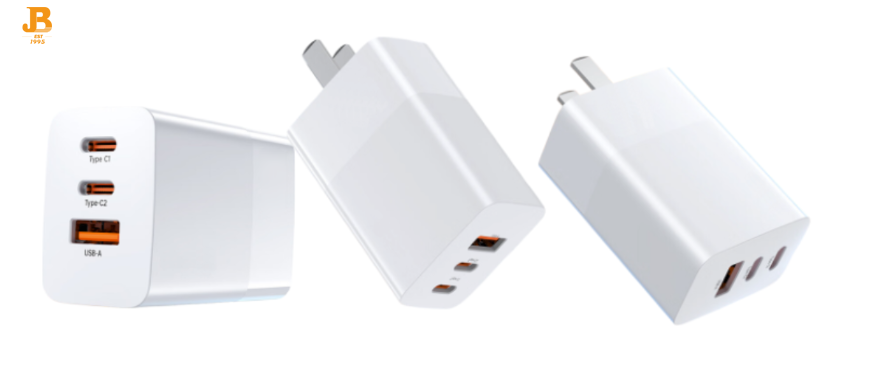
In the world of plastic injection molding, achieving optimal product design while maintaining manufacturing efficiency is often a challenge. One of the most groundbreaking techniques used to tackle complex designs in plastic molding is Zero-Draft Angle Technology. This technique is especially crucial for creating compact, high-precision products like mobile phone charger housings.
1. What is Zero-Draft Angle Technology?
Typically, in injection molding, a draft angle (usually between 1° to 3°) is applied to the vertical surfaces of the molded part to facilitate easy ejection from the mold. However, when a product design requires perfectly vertical walls—such as the sleek and compact casing of a mobile phone charger—using a draft angle can compromise the product’s design and functionality. Zero-Draft Angle Technology allows for the creation of completely vertical walls without any taper, ensuring both structural integrity and design precision.
2. The Challenge in Mobile Phone Charger Design
Mobile phone chargers have become more than just functional devices; they are now an extension of the user’s lifestyle, often designed to be sleek, compact, and aesthetically pleasing. The outer casing of a charger must not only look good but also house complex electrical components securely and efficiently. Here are some challenges faced in designing and manufacturing mobile charger housings:
- Compact Size: Modern chargers are getting smaller, which means less room for error in the molding process.
- Precise Fit: The housing must fit perfectly with internal components, leaving no space for movement, while also protecting sensitive electronics.
- Smooth Surface: High aesthetic standards require a smooth, seamless surface free from imperfections or lines caused by traditional draft angles.
3. The Solution: Zero-Draft Angle Technology
To meet these demands, JBR, a leading plastic injection molding company based in Shenzhen’s Bao’an District, has implemented Zero-Draft Angle Technology in the production of mobile phone charger housings. Here’s how the process works and its benefits:
- Advanced Mold Design: JBR employs state-of-the-art mold design techniques to allow for zero-degree draft angles. This involves using specialized mold materials and precision machining to ensure the mold can withstand the added pressure without deforming.
- High-Pressure Injection: Since zero-draft molds make ejection more difficult, JBR utilizes high-pressure injection molding machines to ensure the plastic fills every detail of the mold perfectly, achieving a flawless outer casing.
- Optimized Cooling and Ejection Systems: JBR also uses advanced cooling techniques to reduce cycle time and innovative ejection systems to remove the molded part smoothly, preventing damage or deformation.
4. Benefits of Zero-Draft Angle Technology for Mobile Chargers
Implementing Zero-Draft Angle Technology in mobile charger production provides several advantages:
- Perfect Fit and Compact Design: The zero-degree draft angle ensures the outer casing can be compact and perfectly vertical, optimizing the space available for internal components.
- Enhanced Aesthetics: The technology results in a smooth, seamless finish without the taper marks or imperfections caused by traditional draft angles.
- Improved Durability: The precise molding process ensures uniform wall thickness, enhancing the structural integrity of the charger casing and providing better protection for the internal circuitry.
- Cost Efficiency: Despite the complexity, JBR has optimized the process to minimize waste and reduce production time, resulting in lower manufacturing costs.
5. Case Study: JBR’s Success in Mobile Charger Manufacturing
JBR has successfully used Zero-Draft Angle Technology to manufacture housings for leading mobile phone charger brands. By partnering with electronics companies, JBR has created sleek and durable charger cases that meet both design and performance expectations. The company’s expertise in precision molding has helped brands differentiate their products in a highly competitive market.
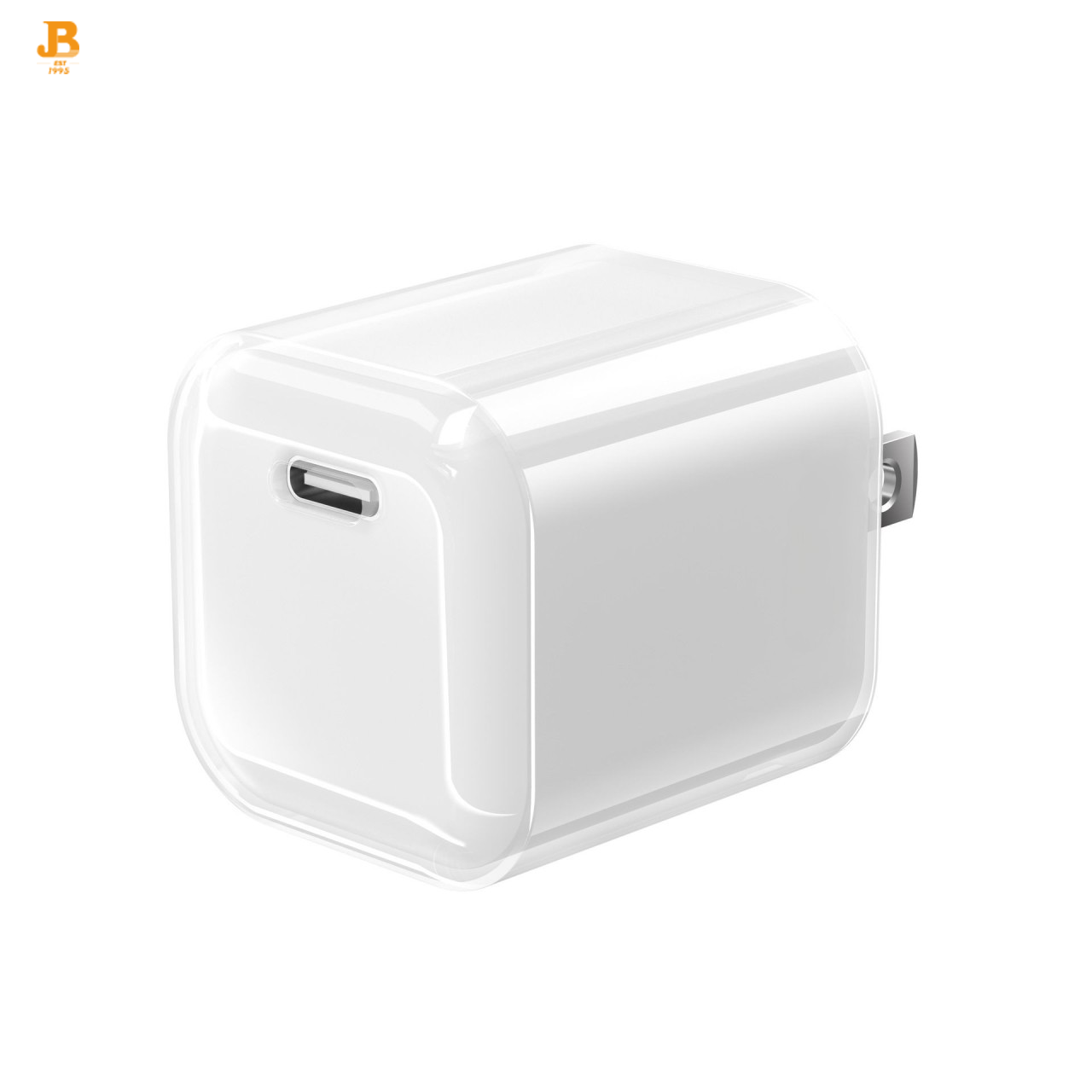
- Material Selection: JBR carefully selects high-quality, heat-resistant plastics to ensure safety and performance. The use of biocompatible and recyclable materials further highlights their commitment to sustainability.
- Quality Assurance: Each charger casing undergoes rigorous quality control to ensure no defects or structural weaknesses, making JBR a trusted partner for global electronics manufacturers.
6. Future Applications and Innovations
The success of Zero-Draft Angle Technology in mobile charger manufacturing has opened doors for other applications, such as compact consumer electronics, medical devices, and automotive components. JBR continues to innovate, exploring new materials and molding techniques to stay ahead in the industry.
Conclusion
Zero-Draft Angle Technology has revolutionized the way compact and aesthetically demanding products like mobile phone charger housings are manufactured. Companies like JBR are leading the way, demonstrating how advanced molding techniques can meet modern design requirements without sacrificing performance or efficiency. As consumer expectations continue to rise, technologies like these will remain crucial in delivering high-quality, precision-engineered plastic components.