In the field of injection molding, the concept of "material reduction" is often misunderstood as a simple cost-saving measure. However, scientifically planned material reduction is actually a precise process optimization method that not only lowers material costs but also significantly improves product quality and production efficiency.
What is Material Reduction in Injection Molding?
Material reduction in injection molding does not simply mean using less material. Instead, it refers to the process of optimizing design and adjusting process parameters to reduce product wall thickness or remove excess material—without compromising structural strength or functionality. This optimization is based on a deep understanding of material properties, mold design, and injection molding processes.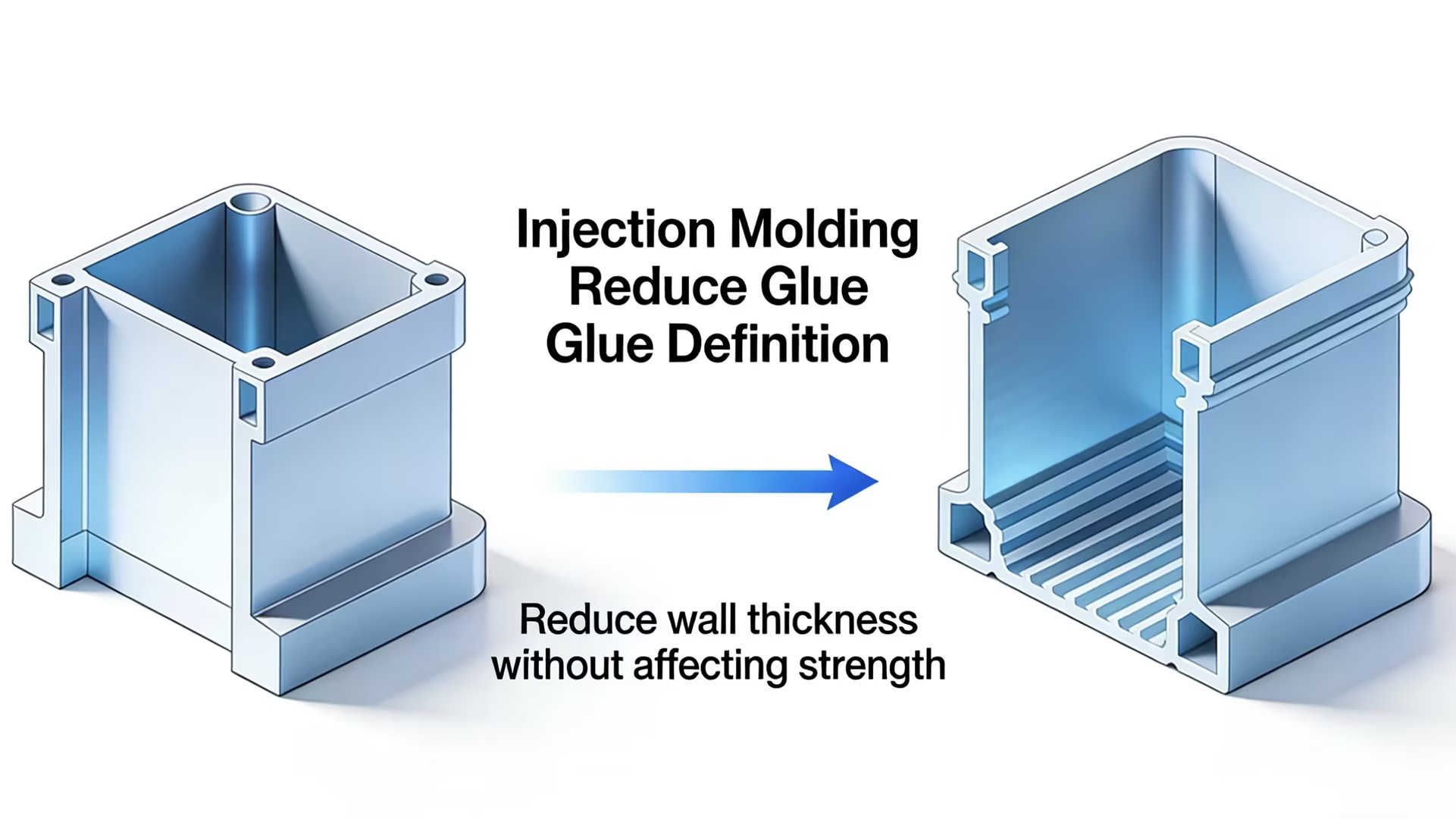
Three Core Advantages of Material Reduction
-
Cost Control and Sustainable Development
-
Directly reduces raw material consumption, especially significant for large-volume production
-
Lowers product weight, reducing transportation and storage costs
-
Aligns with environmental trends by minimizing plastic waste
-
Improving Product Quality
-
Reduces issues such as shrinkage and deformation caused by uneven wall thickness
-
Shortens cooling time, lowers internal stress, and enhances dimensional stability
-
Improves product appearance and reduces surface defects
-
Optimizing Production Efficiency
-
Shortens molding cycles and increases production capacity
-
Reduces energy consumption and machine load
-
Extends mold service life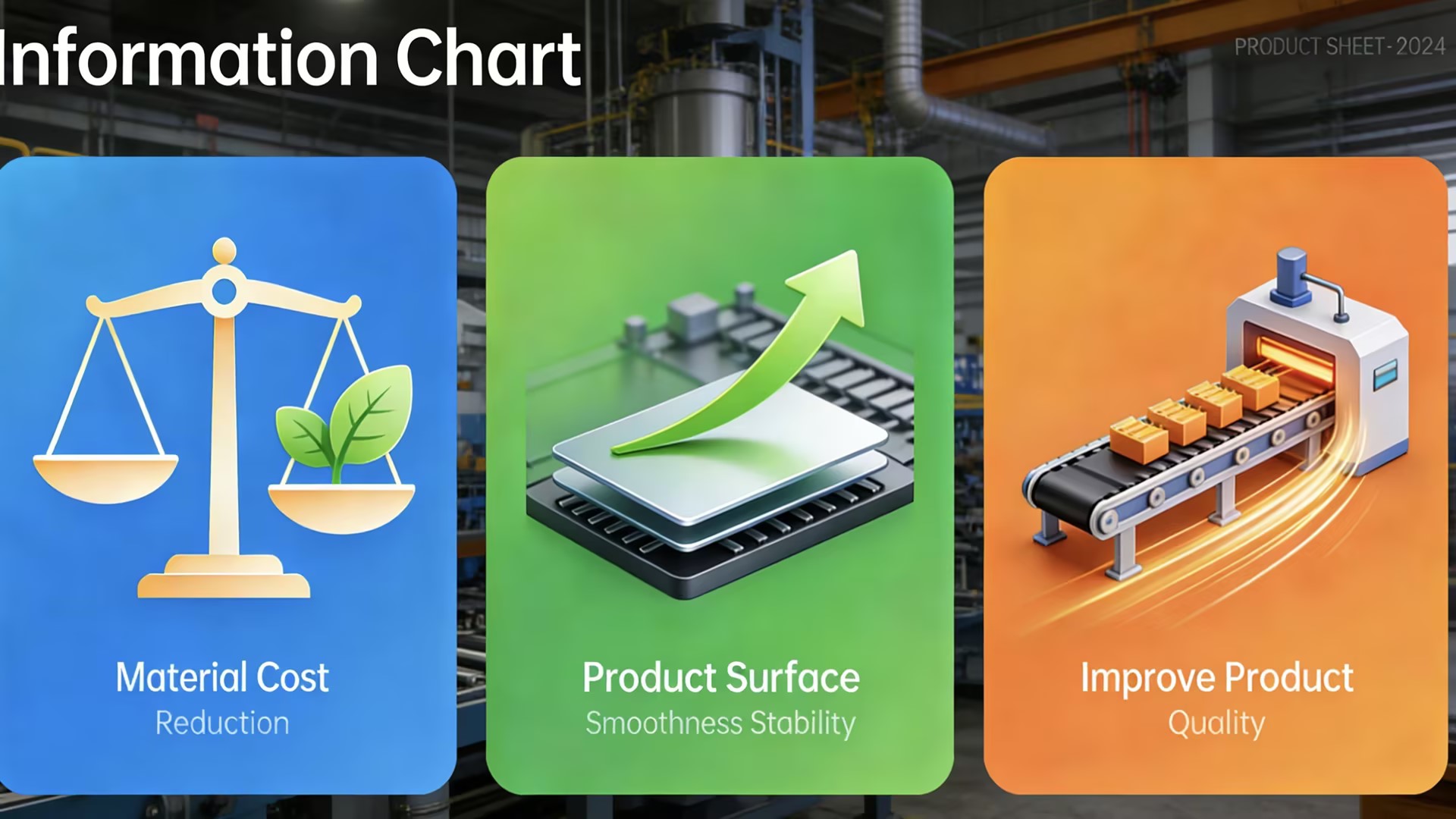
Five Implementation Strategies for Scientific Material Reduction
-
Structural Optimization Design
-
Consider material reduction possibilities during the product design phase
-
Use reinforcing ribs instead of thick-wall designs
-
Optimize product wall thickness uniformity
-
Design appropriate draft angles
-
Precision Mold Adjustments
-
Use flow analysis to determine optimal gate locations and quantities
-
Optimize cooling system design to ensure uniform cooling
-
Consider hot runner systems to reduce runner waste
-
Precise Process Parameter Control
-
Adjust injection speed, pressure, and holding time
-
Optimize melt temperature and mold temperature
-
Implement scientific process window settings
-
Material Selection and Matching
-
Choose materials with good flowability and high strength
-
Consider using modified or composite materials
-
Evaluate the impact of recycled material ratios on product performance
-
Continuous Monitoring and Improvement
-
Establish a production data collection system
-
Conduct regular quality inspections and process evaluations
-
Encourage cross-departmental collaboration for ongoing improvement
Three Key Considerations in Material Reduction Practice
-
Balance is Key: Material reduction should not come at the expense of product performance. It requires finding the optimal balance between cost, quality, and efficiency.
-
Gradual Implementation: Material reduction adjustments should be made step by step, with thorough validation of product performance after each minor change.
-
Comprehensive Evaluation: Consider the potential impacts of material reduction on mold lifespan, equipment load, and product assembly.
Conclusion: Material Reduction is Both an Art and a Science
Material reduction in injection molding is not a one-time cost-cutting action but a systematic engineering process that requires expertise, precision, and continuous optimization. When implemented correctly, it not only brings direct economic benefits but also enhances the overall manufacturing level and market competitiveness of a company.
In today’s environment of fluctuating plastic raw material prices and increasingly stringent environmental requirements, mastering scientific material reduction techniques has become a core competency for injection molding enterprises. From design to production, and from material selection to process control, every step presents opportunities for material reduction optimization.