Choosing the right tooling stage directly impacts cost, lead time, part quality and launch speed. This article defines when to use prototype tooling, low volume bridge tooling and hardened production steel molds — so engineering, procurement and production teams can align on a clear roadmap.
1–4 Weeks
Prototype tooling lead time for design validation
50–10,000 Pcs
Typical low volume bridge production range
100k+ Shots
Hardened steel mold capability for serial production
In This Article
- Prototype Tooling: Validate Design Before Commitment
- Low Volume Bridge Tooling: Cover Pre-Series Demand
- Production Steel Mold: Lock for Serial Manufacturing
- Side-by-Side Tooling Comparison
- Five-Stage Launch Roadmap
01 Prototype Tooling: Validate Design Before Commitment
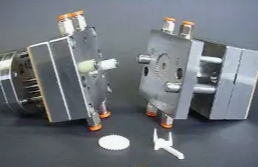
Objective
Prototype tooling is used to verify part design, assembly fit, material behavior and cosmetic appearance before freezing geometry for production.
- Check wall thickness, ribs, snaps and assembly features
- Mold real resin samples for functional testing
- Support customer approval and design iteration
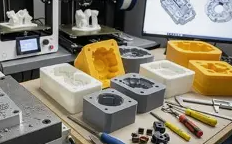
Limitations
Most prototype molds use soft aluminum and simplified cooling, so they are not intended for high-volume or high-precision serial production.
- Dimensional stability may drift across shots
- Not ideal for highly abrasive glass-filled resins
- Short mold life compared to hardened steel
Engineering Gate: Prototype tooling should be treated as a design validation stage, not a production solution. Freeze the part geometry and assembly requirements before investing in a hardened steel mold.
02 Low Volume Bridge Tooling: Cover Pre-Series Demand
Bridge tooling sits between prototype validation and mass production. It is suitable for pilot runs, beta testing, market trials and pre-series supply while the final production mold is being manufactured.
When to Choose Bridge Tooling
- Confirmed part design but not yet ready for full production investment
- Need 50 to 10,000 pieces for validation or pre-orders
- Waiting for production steel mold completion
Technical Upgrade vs Prototype
- Better cooling system and more stable process window
- Standard mold base and controlled venting
- Improved repeatability for low volume batches
Risk: Using prototype tooling for extended low volume production often leads to inconsistent dimensions, higher scrap rates and hidden engineering costs.
03 Production Steel Mold: Lock for Serial Manufacturing
Once the design is frozen, sample validation is completed, PPAP requirements are defined and demand volume is confirmed, the project can move into hardened production steel mold development.
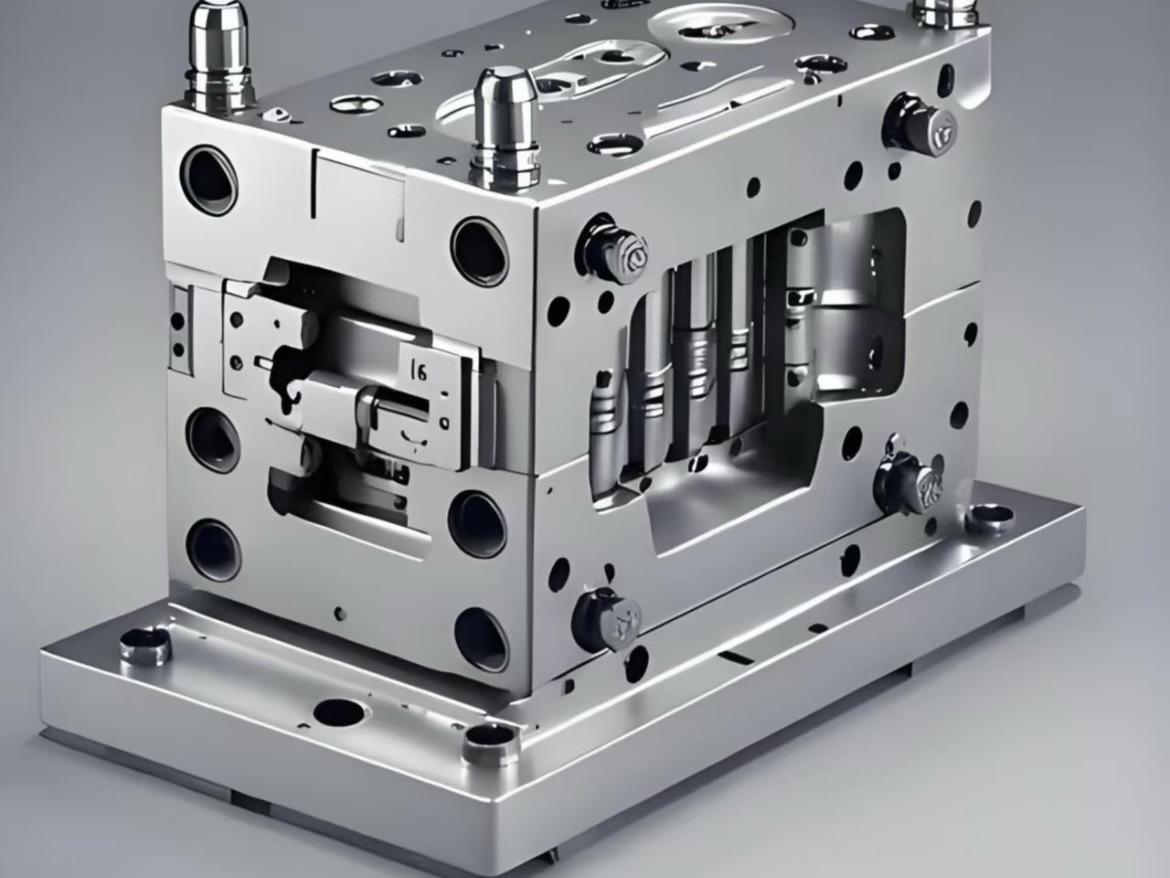
Production Mold Focus
- Hardened steel for long mold life
- Stable cycle time and part repeatability
- Supported by Moldflow, FAT/SAT and PPAP documentation
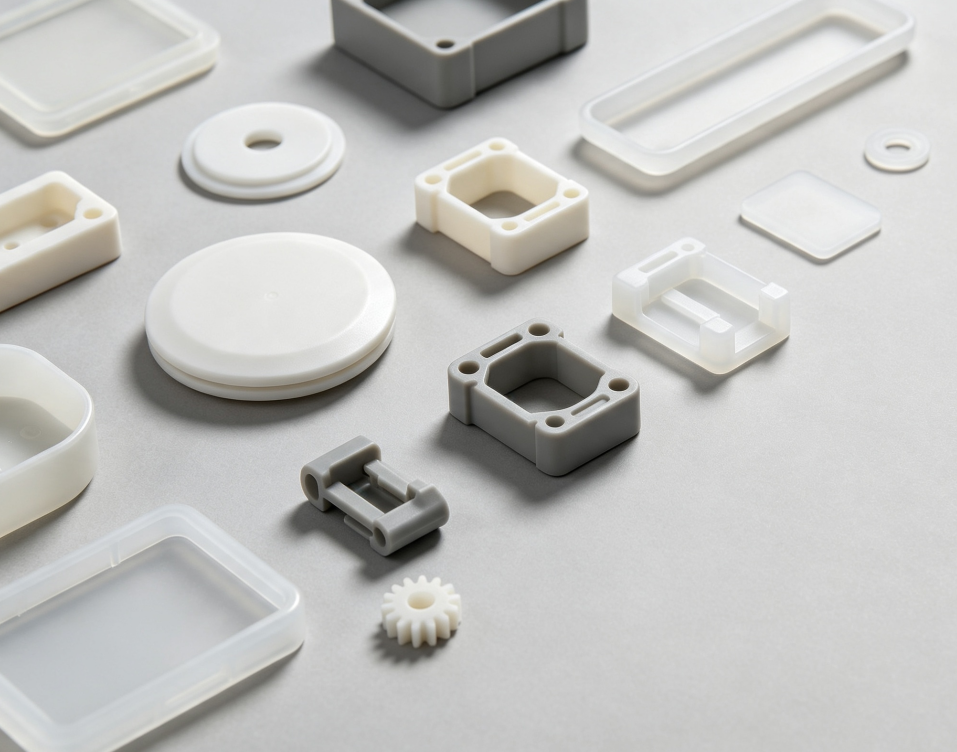
Investment Justification
- High volume production over 100k shots
- Tight tolerance and high cosmetic requirements
- Need for consistent quality across batches
04 Side-by-Side Tooling Comparison
| Evaluation Item |
Prototype Tooling |
Low Volume Bridge Tooling |
Production Steel Mold |
| Primary Purpose |
Design validation |
Pre-series supply |
Serial manufacturing |
| Typical Material |
Aluminum |
Aluminum / Pre-hardened steel |
H13 / 2344 / S136 |
| Volume Range |
< 500 pcs |
50–10,000 pcs |
100k+ shots |
| Dimensional Stability |
Low to Medium |
Medium |
High |
| Lead Time |
Short |
Medium |
Longer |
| Unit Cost |
High |
Medium |
Low |
| Recommended Stage |
DFM validation |
Bridge production |
Mass production |
05 Five-Stage Launch Roadmap
01
DFM Review
Analyze part geometry, material, draft, ribs, gates and cooling before any tool cutting.
02
Prototype Sampling
Mold prototype samples to verify design, assembly and cosmetic appearance.
03
Bridge Production
Supply pre-series parts while the production steel mold is in manufacturing.
04
Steel Mold Development
Build hardened production tooling with stable cooling, venting and process control.
05
PPAP & Mass Launch
Complete FAT/SAT, process qualification and PPAP before full serial production.
Common Mistake: Starting production steel mold cutting before prototype validation is complete is one of the most expensive causes of engineering changes and delays.