The plastic injection molding industry has been undergoing a significant transformation, with more companies striving to adopt sustainable manufacturing practices to minimize their environmental impact. As global concerns about climate change and plastic pollution intensify, environmental responsibility and sustainability have become crucial priorities for the sector.
1. Industry Overview: From Pollution to Sustainability
Traditionally, the plastic injection molding industry has been associated with high resource consumption and carbon emissions. However, advancements in technology and a growing awareness of environmental issues are driving significant change. Companies are now embracing renewable energy and innovative manufacturing methods to reduce reliance on natural resources.
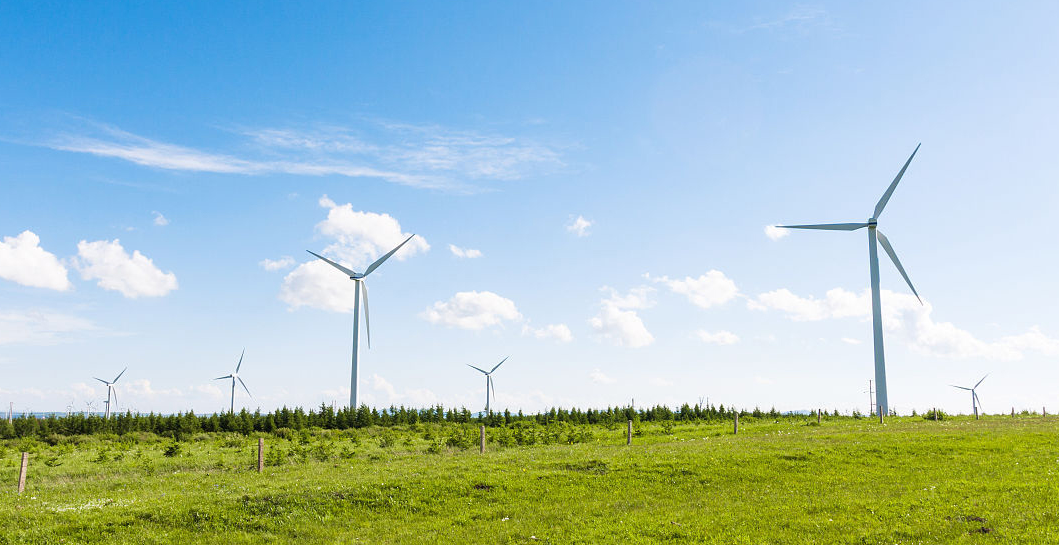
- Use of Renewable Energy: Many injection molding facilities are now incorporating renewable energy sources, such as solar and wind power, to cut down on carbon emissions and phase out fossil fuels.
- Eco-Friendly Material Selection: Companies are investing heavily in research and development of bioplastics and biodegradable materials to replace traditional petroleum-based plastics and mitigate the environmental impact of plastic waste.
2. Sustainable Innovations in Injection Molding
To achieve environmental goals, the injection molding process itself is evolving. Energy-efficient machines and advanced manufacturing techniques are helping companies significantly reduce energy consumption and waste.
- Optimized Injection Molding: Modern injection molding machines precisely control temperature, pressure, and cooling times, boosting production efficiency while reducing energy usage. These improvements lower the carbon footprint and minimize waste generation.
- Recycling and Zero-Waste Initiatives: Some companies have implemented closed-loop production systems, recycling and reusing scrap materials to achieve zero waste. This circular approach reduces both waste and resource costs.
3. Case Study: JBR's Environmental Initiatives
JBR, a plastic injection molding company based in Shenzhen’s Bao’an District, is a standout example of success in sustainable manufacturing. Through a series of innovative practices, JBR has become a model for eco-friendly production in the industry.
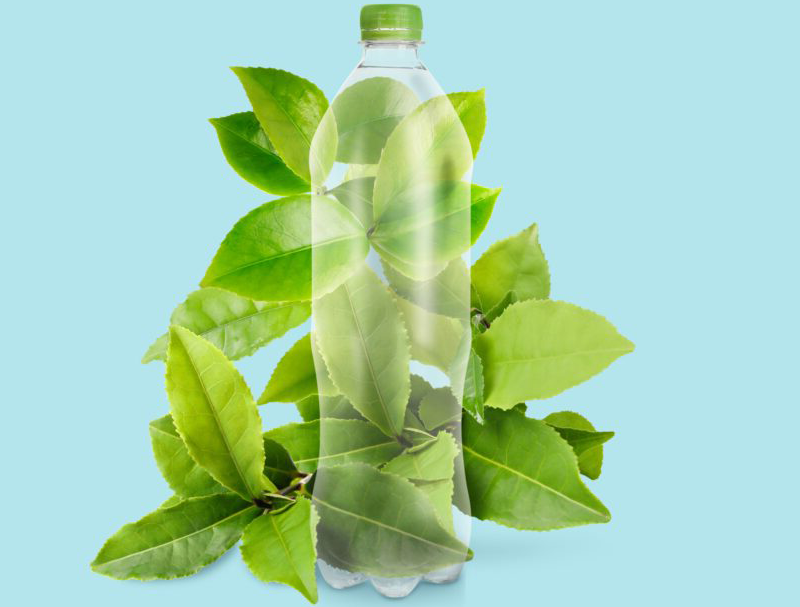
- Use of Bioplastics: JBR is actively exploring and incorporating bioplastics to replace traditional petroleum-based materials. Bioplastics, made from renewable resources like plants, reduce dependence on fossil fuels and offer better degradability.
- Energy Efficiency Upgrades: JBR has upgraded its manufacturing facility with energy-saving injection molding machines. These new machines significantly lower energy consumption while improving production efficiency.
- Waste Recycling and Reuse: JBR has implemented a comprehensive waste recycling system, grinding and reusing plastic scraps generated during production. This reduces raw material waste and promotes efficient resource recycling.
Through these efforts, JBR has not only cut its carbon emissions but also set a benchmark for other manufacturers, demonstrating how sustainable practices can be successfully integrated into the plastic injection molding industry.
4. Looking Ahead: A Greener Future for Injection Molding
As environmental regulations tighten and consumer awareness of sustainability grows, the green transformation of the plastic injection molding industry will become a long-term trend. In the future, more companies will adopt smart and digital manufacturing processes to further optimize energy use and minimize waste. Additionally, cross-industry collaboration and technology sharing will drive the development of more innovative and eco-friendly solutions.
- Smart Manufacturing and Automation: The use of artificial intelligence (AI) and the Internet of Things (IoT) will enable real-time monitoring of energy consumption, allowing companies to optimize processes for maximum efficiency.
- Sustainable Supply Chain Management: By collaborating with suppliers of eco-friendly materials, the industry will ensure that the entire supply chain—from raw materials to finished products—meets environmental standards.
Overall, the plastic injection molding industry is moving toward a more sustainable and responsible future. With technological innovation and industry collaboration, the future of plastic manufacturing will not only be efficient and cost-effective but also environmentally conscious and sustainable.