LEGO bricks are celebrated worldwide for their exceptional precision and quality, fitting together seamlessly. This excellence comes from advanced manufacturing processes, with injection molding being the key technology. JBR, based in Shenzhen’s Bao’an District, also specializes in high-precision injection molding, producing durable and complex plastic components. Here’s how LEGO ensures brick consistency and how JBR's expertise aligns with these high standards.
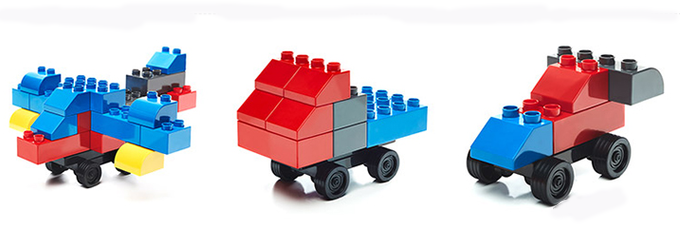
LEGO Bricks
1. Injection Molding: The Core Technology Behind LEGO Bricks
Injection molding is at the heart of LEGO’s production process. High-precision injection molding machines are used to inject molten plastic (mainly ABS) into meticulously designed molds. This ensures that every LEGO brick is consistent in size, shape, and appearance. Companies like JBR also employ similar advanced technology to create high-precision parts for industries such as electronics, automotive, and consumer goods.
- High-Precision Molds: LEGO molds are engineered with incredible accuracy, with tolerances measured in micrometers. This precision ensures every brick fits together tightly yet can be easily separated. Similarly, JBR creates high-precision molds for products like smartphone charger housings, ensuring a perfect fit and reliable performance.
- Advanced Injection Machines: LEGO’s machines operate under high pressures and with precise temperature control, ensuring the plastic flows smoothly and cools uniformly. JBR leverages advanced injection machines as well, capable of producing complex parts with consistent quality and minimal defects.
Process Details:
- Temperature and Pressure Control: Controlling the temperature of the plastic and the injection pressure is crucial to preventing defects and ensuring uniformity. This level of precision is a hallmark of companies like JBR, known for producing flawless molded components.
- Cooling Process: The plastic rapidly cools and solidifies in the mold. Efficient cooling systems ensure that the bricks retain their shape. JBR uses optimized cooling technology to prevent warping and maintain product integrity, similar to LEGO’s stringent standards.
2. Material Selection: High-Quality ABS Plastic
LEGO bricks are made from ABS plastic (Acrylonitrile Butadiene Styrene), chosen for its durability, color retention, and excellent mechanical properties.

ABS Plastic
- Durability: ABS plastic is highly impact-resistant, allowing LEGO bricks to endure years of play without breaking. Companies like JBR also use ABS for products requiring similar toughness, such as electronic device casings.
- Color Retention: ABS holds color well, ensuring LEGO bricks remain vibrant even after years of use. JBR ensures that molded parts meet strict color standards, whether they are black, white, or custom colors.
- Safety Standards: LEGO uses non-toxic materials that meet global safety regulations. JBR also adheres to international safety standards, producing components for sensitive applications like medical devices and consumer electronics.
3. Mold Design and Maintenance: Ensuring Consistency
LEGO’s molds are highly sophisticated and require regular maintenance to ensure they produce bricks with absolute consistency. Mold design must account for plastic flow, cooling behavior, and precise part dimensions.
- Mold Longevity: LEGO’s molds are built to withstand extensive use and still produce high-precision parts. Companies like JBR similarly invest in robust mold design and maintenance to support large-scale production without compromising quality.
4. Quality Control: Every Brick Must Be Perfect
LEGO’s strict quality control measures are crucial for achieving the perfect fit and flawless appearance that the brand is known for. Each brick is subjected to multiple inspections to ensure it meets LEGO’s exacting standards.
- Dimensional Precision: LEGO bricks must have a tolerance within 0.005 millimeters. Automated measurement systems check this level of precision. JBR uses similar quality control systems to ensure their parts meet stringent tolerances, ensuring they work perfectly for their intended applications.
- Surface Smoothness: LEGO bricks are inspected for a smooth finish, free of imperfections. JBR’s surface finishing processes ensure that molded parts are aesthetically pleasing and defect-free.
- Automated and Manual Inspections: LEGO employs both automated and manual checks to catch any issues. JBR also combines automated quality control with human inspection to deliver the highest-quality products.
5. Sustainability and Eco-Friendly Practices
LEGO is committed to reducing its environmental impact by using renewable energy and developing eco-friendly materials. Companies like JBR are also adopting sustainable practices in their operations.
- Renewable Energy: LEGO has invested heavily in renewable energy to power its factories. JBR is implementing energy-saving measures and sustainable material options to reduce its carbon footprint.
- Biobased Plastics: LEGO is exploring biobased plastics derived from renewable sources like sugarcane. JBR is also researching eco-friendly materials that could be incorporated into future manufacturing processes.
Conclusion: Precision and Innovation in Injection Molding
LEGO bricks’ success lies in the meticulous attention to detail, from high-precision mold design to the use of durable ABS plastic and rigorous quality control. Companies like JBR, with expertise in precision injection molding, exemplify how high standards and cutting-edge technology drive the manufacturing of reliable and complex plastic components. As both LEGO and precision molders like JBR continue to innovate, the future of injection molding will bring even more opportunities for sustainable and high-quality production.