Trapped gas occurs when air or gases generated during the molding process fail to escape from the mold cavity, leading to defects such as burn marks, incomplete fillings, or bubbles.
JBR specializes in designing and implementing efficient venting channels to allow smooth gas evacuation. Proper venting reduces the chances of gas buildup, ensuring consistent product quality.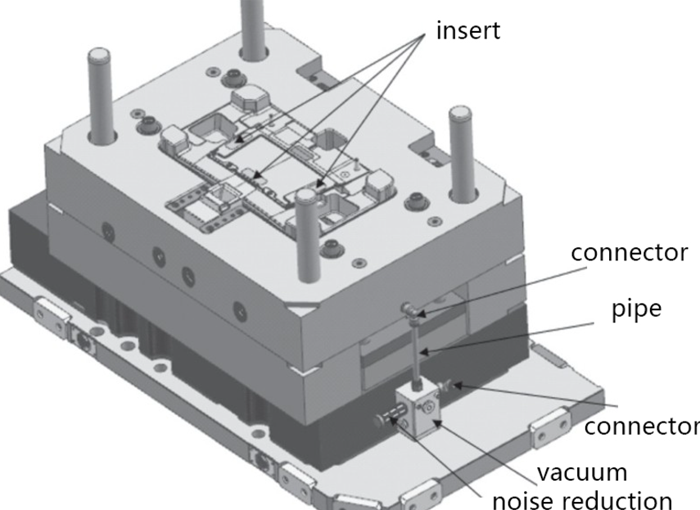
Optimized Venting Design in Injection Molds
By fine-tuning injection speed and pressure settings, JBR controls melt flow dynamics, minimizing the likelihood of trapped gas issues. Optimized process parameters are tailored to each specific project.
Over time, carbon deposits can block venting channels. JBR emphasizes regular mold cleaning to maintain proper airflow and prevent vent blockages, ensuring smooth production cycles.
Drag marks occur when molded parts experience excessive friction or improper ejection, leading to scratches or deformation on the product's surface.
JBR tailors ejection designs to each project, ensuring the even distribution of ejector pins. This reduces stress during demolding and minimizes damage to the molded product.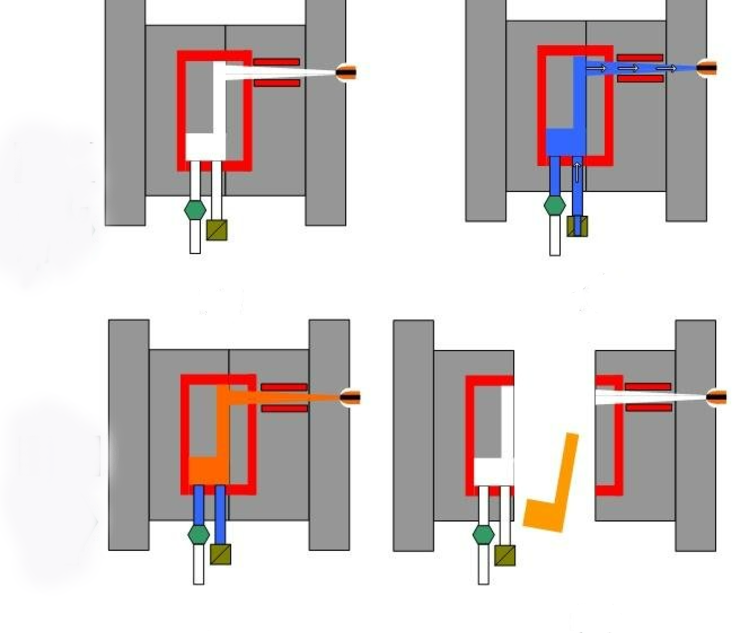
Custom Ejection Systems for Reduced Drag Marks
Precision polishing and advanced surface coatings (e.g., chrome or Teflon) are applied to reduce friction between the mold and the product. These treatments improve product surface quality and facilitate easier demolding.
When necessary, JBR advises using high-quality release agents to assist with demolding. Care is taken to avoid overuse, which could impact product appearance or functionality.
Preventative maintenance is key to resolving recurring issues like trapped gas and drag marks.
JBR stresses routine checks of molds, including inspecting moving parts, cleaning vent channels, and applying appropriate lubrication to ensure optimal performance.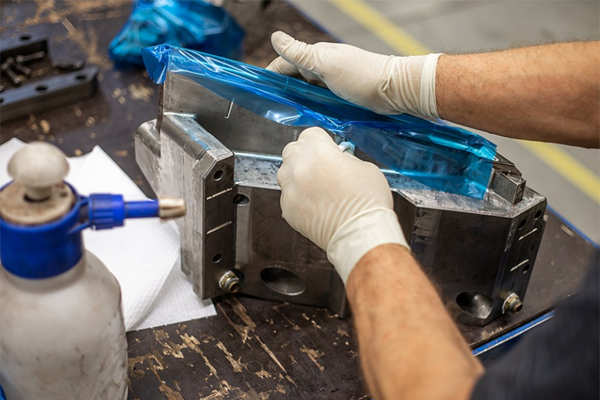
Routine Maintenance to Ensure Mold Performance
By tracking mold usage and performance data, JBR helps clients analyze patterns, identify problem areas, and implement corrective actions to prevent future issues.
With years of expertise and a commitment to precision and reliability, JBR offers customized mold solutions that address challenges like trapped gas and drag marks head-on. By optimizing mold design, fine-tuning processes, and prioritizing maintenance, JBR ensures seamless production and exceptional product quality.
1. What causes trapped gas in injection molds?
Trapped gas is often caused by poor venting, fast injection speeds, or improper material flow during the molding process.
2. How can venting design help with trapped gas?
Efficient venting channels allow gases to escape smoothly from the mold cavity, reducing defects like burn marks and incomplete fillings.
3. What are drag marks, and how do they occur?
Drag marks are scratches or deformities caused by excessive friction or uneven ejection during demolding.
4. How does JBR address drag marks?
JBR uses custom ejection systems, precision mold surface treatments, and selective application of release agents to minimize drag marks and improve product surface quality.
5. Why is mold maintenance important for resolving these issues?
Routine maintenance ensures that venting channels remain clear and moving parts function properly, preventing problems like trapped gas and drag marks from recurring.