Injection molding is widely used in industrial manufacturing but can also generate significant pollution, including waste, energy consumption, and emissions. To create a more sustainable production process, manufacturers must adopt a range of strategies, from equipment optimization to material selection and process improvement, to minimize their environmental impact.
Main Sources of Pollution in Injection Molding
1. Plastic Waste
- Sources: Waste arises from short shots, overflows, and scrap materials during production. Additional waste includes leftover material from trimming and rejected parts.
- Impact: These waste materials increase resource consumption and disposal costs.
2. Energy Consumption
- Sources: Injection molding machines require high energy input for heating, cooling, and mechanical operations.
- Impact: Excessive energy use contributes to higher carbon emissions and environmental strain.
3. Chemical Emissions
- Sources: Certain plastic materials release volatile organic compounds (VOCs) or other harmful substances during processing.
- Impact: These emissions can harm workers’ health and the environment.
Biodegradable Materials for Plastic Injection Molding
4. Noise and Heat Pollution
- Sources: High-frequency noise and heat are generated by injection molding machines and auxiliary equipment.
- Impact: Noise pollution affects the working environment, while heat dissipation increases energy demand.
Effective Strategies to Reduce Pollution
1. Reduce Waste Generation
- Use Smart Control Systems: Optimize machine parameters to prevent short shots and overflows.
- Design Optimized Molds: Improve mold design to increase first-pass yield rates.
- Recycle Waste: Regrind scrap materials and reuse them in production to minimize waste.
Recycled Plastic Injection Molding
2. Lower Energy Consumption
- Adopt Energy-Efficient Machines: Use electric or hybrid injection molding machines, which are more energy-efficient than traditional hydraulic models.
- Optimize Production Cycles: Reduce cycle times and improve cooling efficiency to cut machine runtime.
- Heat Recovery Systems: Capture and reuse heat from the injection molding process for internal heating or other applications.
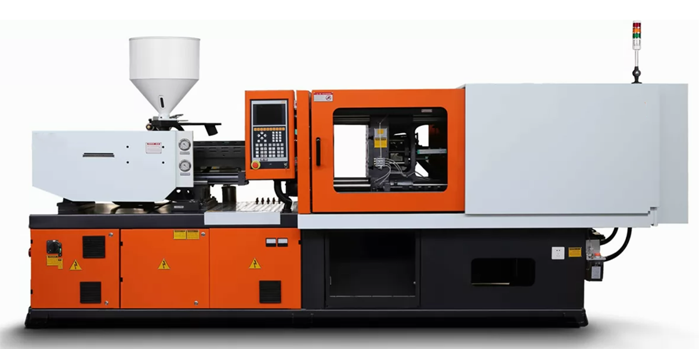
Energy-efficient Injection Molding Machine
3. Reduce Chemical Emissions
- Choose Eco-Friendly Materials: Use biodegradable or low-VOC materials to minimize harmful emissions.
- Install Ventilation Systems: Equip factories with advanced filtration systems to capture and reduce gas emissions.
- Control Heating Parameters: Avoid overheating plastics to reduce the release of harmful gases.
4. Improve Factory Environment
- Noise Reduction Measures: Install soundproofing equipment for injection molding machines to lower noise levels.
- Enhanced Ventilation: Ensure better airflow within the factory to maintain a healthier working environment.
- Promote Green Culture: Educate employees on sustainable practices to minimize waste and improve overall efficiency.
Case study: JBR’s Success in Green and Sustainable Manufacturing
As a leader in the injection molding industry, JBR, based in Shenzhen’s Bao’an District, has made significant strides in promoting environmental responsibility and sustainability. JBR is recognized as a role model in green manufacturing through its innovations and eco-friendly initiatives.
1. Use of Biodegradable Materials
JBR partners with material suppliers to incorporate biodegradable plastics into the production of charger housings and electronic components, significantly reducing plastic waste at the end of the product lifecycle.
2. Adoption of Energy-Efficient Machines
The company has upgraded its facilities with high-efficiency electric injection molding machines, reducing energy consumption by up to 30%. This has cut costs and lowered carbon emissions.
3. Smart Waste Management System
JBR has implemented an intelligent waste recycling system, allowing scrap materials generated during production to be reprocessed and reused in future batches, promoting a circular economy.
4. Employee Engagement in Sustainability
JBR regularly trains employees on green manufacturing practices, fostering a culture of environmental responsibility and incentivizing waste reduction.
Through these efforts, JBR not only optimizes production but also sets a benchmark for the industry, demonstrating how to achieve efficient manufacturing while protecting the environment.
FAQ Section
1. What are the main sources of pollution in injection molding?
The primary sources include plastic waste, high energy consumption, chemical emissions, and noise pollution.
2. How can plastic waste in injection molding be reduced?
Waste can be minimized through optimized mold design, smart machine controls to prevent overflows, and recycling scrap materials into new production batches.
3. What measures can lower energy consumption in injection molding?
Using energy-efficient machines, optimizing production cycles, and implementing heat recovery systems are effective ways to reduce energy consumption.
4. What are eco-friendly materials, and how do they help?
Eco-friendly materials, such as biodegradable plastics and low-VOC materials, reduce plastic waste and minimize harmful emissions, supporting sustainable production.
5. How does JBR achieve green manufacturing?
JBR utilizes biodegradable materials, energy-efficient machinery, and intelligent waste management systems while engaging employees in sustainability initiatives to achieve environmentally responsible production.