4-axis CNC machining revolutionizes precision manufacturing by adding a fourth rotational axis (around the X or Y axis) to traditional 3-axis systems. This advancement allows for intricate designs and enhanced efficiency, making it invaluable in the injection molding industry. With its ability to create highly precise mold components and streamline production timelines, 4-axis CNC machining is a cornerstone of modern mold fabrication.
Understanding 4-Axis CNC Machining
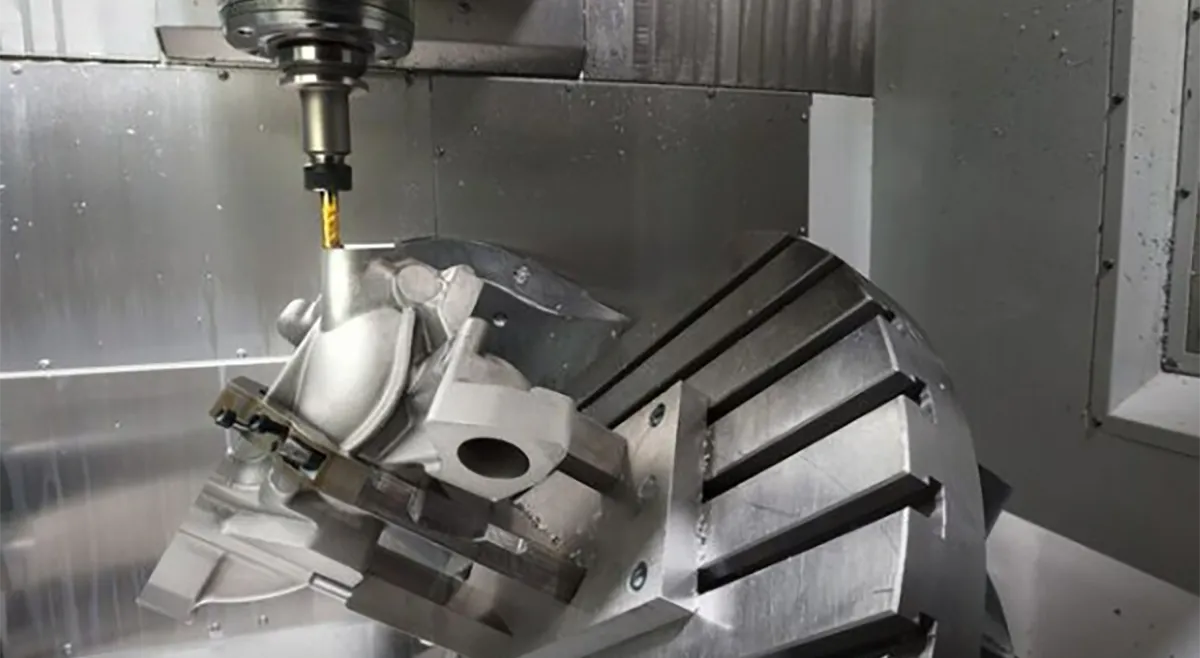
4-axis CNC machining enhances the traditional 3-axis system by adding a fourth rotational axis, enabling the machining tool or the workpiece to rotate. This additional axis significantly improves the machine's ability to create complex geometries and eliminates the need for frequent repositioning of the workpiece.
Key Features of 4-Axis CNC Machining:
-
Rotational Axis:
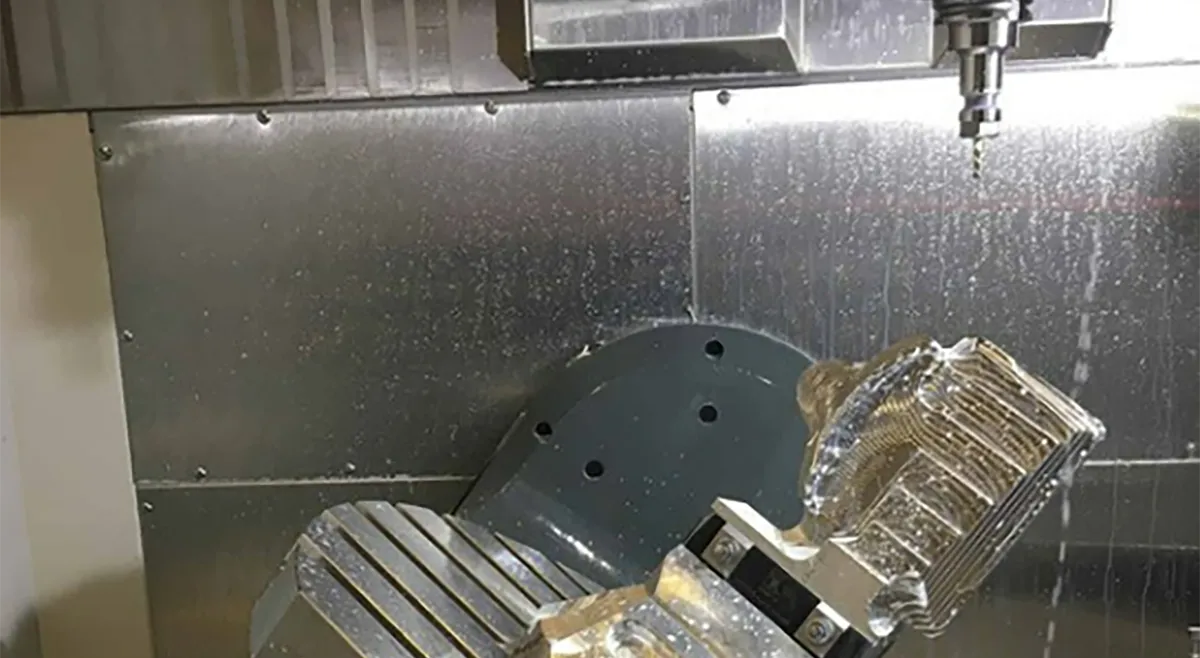
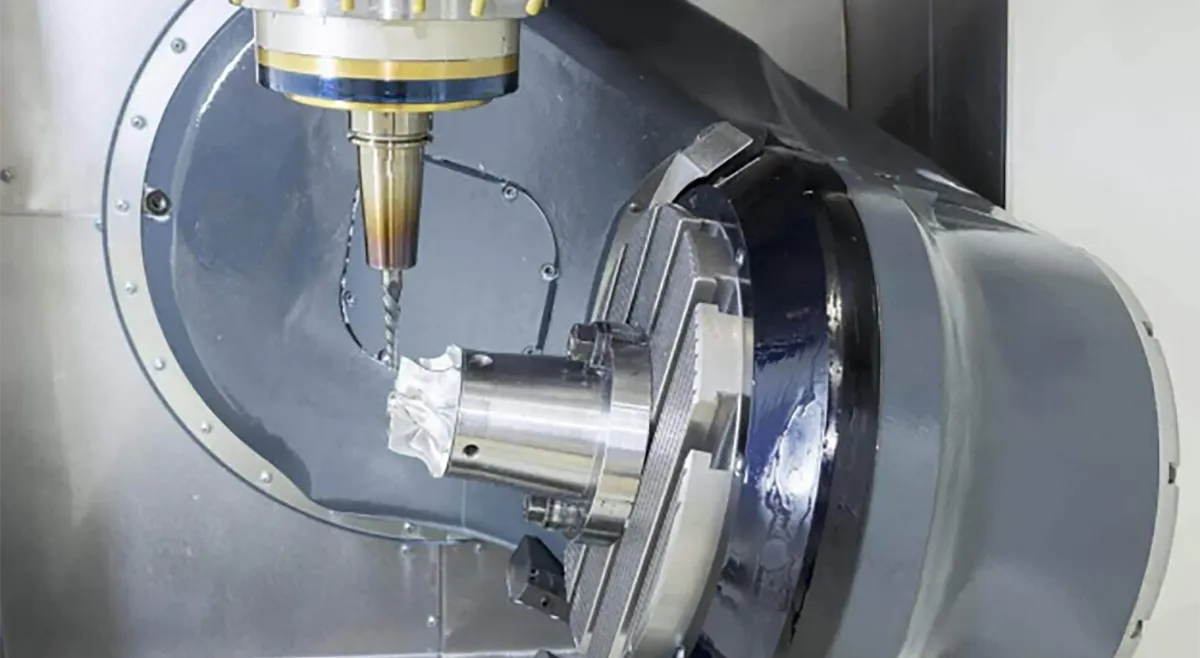
- The fourth axis (A-axis) allows for the rotation of the workpiece, making it possible to machine multiple sides of a component without manual repositioning.
- As seen in images 1 and 2, the workpiece can be rotated for simultaneous machining on different planes.
-
Advanced Tool Paths:
- The combination of linear and rotational movements creates highly intricate shapes.
-
Simultaneous Machining:
- The spindle and workpiece can move simultaneously, allowing for continuous operations on complex surfaces.
Applications of 4-Axis CNC Machining in Injection Molding
4-axis CNC machining is invaluable in the injection molding industry due to its precision and ability to produce complex mold components.
1. Mold Cores and Cavities
- 4-axis CNC machining is ideal for creating intricate cores and cavities with high precision.
- Complex geometries, such as internal undercuts or deep cavities, can be machined efficiently without repositioning.
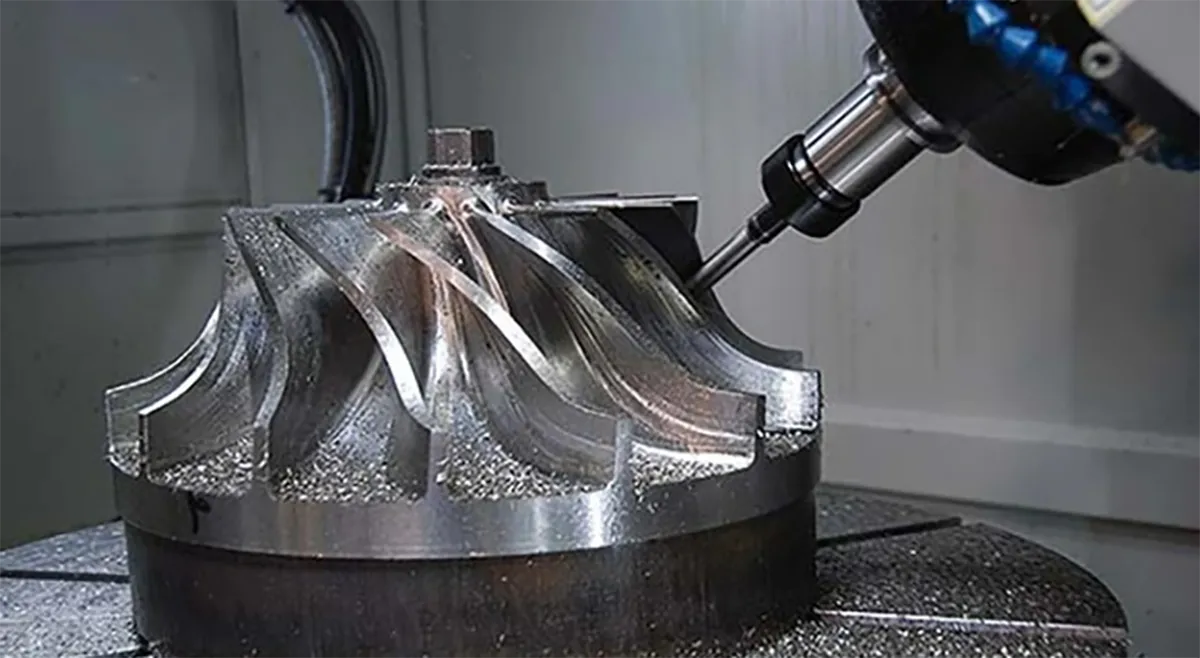
2. Contoured and Curved Surfaces
- As seen in image 3, 4-axis machining excels in producing contoured surfaces required for ergonomic designs or highly detailed injection molds.
3. Insert and Component Manufacturing
- Mold inserts with detailed features, such as cooling channels or ejector pin slots, can be machined quickly and accurately.
4. Prototyping for Injection Molds
- 4-axis CNC machining is a go-to solution for rapid prototyping of mold components, enabling manufacturers to test designs before full-scale production.
5. Complex Part Machining
- For parts with multi-sided features or intricate details, 4-axis machining provides unparalleled efficiency and precision.
Advantages of 4-Axis CNC Machining for Injection Molding
-
Increased Efficiency:
- The ability to machine multiple sides of a component in a single setup reduces production time and manual interventions.
-
Enhanced Precision:
- 4-axis CNC machines achieve tight tolerances, ensuring that mold components fit together perfectly and perform reliably during injection molding.
-
Reduced Repositioning:
- Automatic rotation of the workpiece minimizes errors associated with manual repositioning, improving consistency and accuracy.
-
Cost-Effective for Complex Parts:
- By reducing production time and material waste, 4-axis machining lowers overall manufacturing costs for intricate mold components.
-
Versatility:
- Suitable for a wide range of materials, including tool steel, aluminum, and plastic, making it ideal for manufacturing injection molds and related components.
Challenges and Solutions in 4-Axis CNC Machining
1. Programming Complexity
- The additional axis requires more advanced programming and CAM software.
- Solution: Invest in skilled operators and software tools to optimize tool paths and maximize machine capabilities.
2. Machine Cost
- 4-axis CNC machines are more expensive than their 3-axis counterparts.
- Solution: The higher upfront investment is offset by increased efficiency and lower operational costs for complex projects.
3. Tool Wear
- Continuous operation on multiple sides of the workpiece can accelerate tool wear.
- Solution: Use high-quality cutting tools and monitor tool conditions closely.
JBR: Leveraging 4-Axis CNC Machining for Mold Perfection
At JBR, we specialize in leveraging advanced 4-axis CNC machining technology to create high-quality injection molds. As a leading Plastic Fabrication Specialist and One-Stop Injection Plastic Parts Provider, we ensure that every mold component we produce meets the most stringent quality and precision standards.
Our 4-axis CNC machining capabilities enable us to:
- Manufacture bespoke plastic parts with unparalleled precision.
- Create intricate cores, cavities, and inserts for even the most complex mold designs.
- Deliver prototypes and production-ready molds with minimal lead time.
Whether you need molds for high-volume production or rapid prototyping, JBR’s expertise ensures optimal results every time.
Conclusion
4-axis CNC machining has revolutionized the injection molding industry by offering unmatched precision, efficiency, and versatility. Its ability to handle complex geometries and reduce production timelines makes it an indispensable technology for mold manufacturers.
Ready to take your mold manufacturing to the next level? Contact JBR today to learn more about our advanced 4-axis CNC machining services!
FAQs About 4-Axis CNC Machining
1. What is the difference between 3-axis and 4-axis CNC machining?
3-axis machines move along X, Y, and Z axes, while 4-axis machines add a rotational A-axis, enabling machining on multiple planes without repositioning.
2. Why is 4-axis CNC machining important for injection molding?
It enables the production of intricate mold components, reduces manufacturing time, and ensures high precision for complex mold designs.
3. What materials can be used in 4-axis CNC machining?
4-axis CNC machining is compatible with a wide range of materials, including hardened tool steels, aluminum, and plastics.
4. Can 4-axis CNC machining be used for prototyping molds?
Yes, it’s an excellent solution for creating accurate mold prototypes quickly and efficiently.
5. How does 4-axis machining improve efficiency?
By eliminating the need for manual repositioning, 4-axis machining reduces setup time and ensures continuous, precise machining.