In injection molding, the runner system—the network delivering molten plastic to mold cavities—directly dictates part quality, cycle efficiency, and overall project economics. At JBRplas, we partner with hardware innovators and OEMs to navigate the critical choice between hot runner and cold runner technologies. Understanding their distinct ensures your mold design aligns with production goals.
1. Cold Runner Systems: Simplicity and Flexibility
The traditional cold runner solidifies alongside the part, requiring ejection and separation (manual or automated).
✅ Advantages
- Lower Mold Cost: Simpler construction without heaters, manifolds, or controllers.
- Easier Maintenance: No temperature-sensitive components prone to failure.
- Rapid Color Changes: Effortless purging between material switches.
- Material Versatility: Compatible with nearly all therm.
❌ Disadvantages
- Material Waste: 15–30% of shot weight becomes scrap runner.
- Secondary Operations: Degating adds labor/automation costs.
- Longer Cycle Times: Runner must fully cool before ejection.
🏭 Impact on Mold & Molding
- Aspect | Implication
- Mold Cost | Lower
- Cycle Time Longer (due to runner cooling)
- Maintenance Simple
- Best For | Low volume (under 50k/year), frequent color changes, sensitive materials
JBRplas Insight: Ideal for prototypes, small batches, or projects where regrinding runner scrap is feasible.
2. Hot Runner Systems: Precision and Efficiency
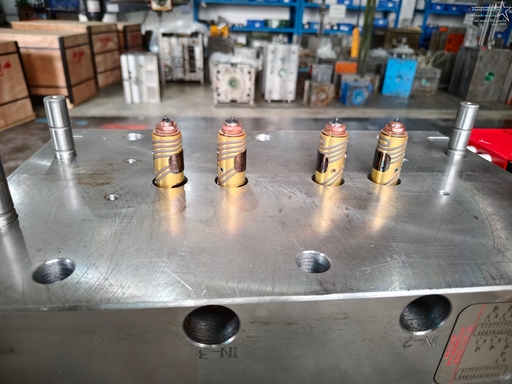
Heated manifolds/nozzles keep plastic molten, eliminating solid runners and waste.
✅ Advantages
- Zero Runner Waste: >98% material efficiency.
- Faster Cycles: 15–40% shorternage**: Reduced shot weight eases machine load.
- Superior Aesthetics: Precise gate control with minimal vestige.
- Full Automation: No degating needed.
❌ Disadvantages
- Higher Mold Cost: 30–50% premium due to complex components.
- Technical Maintenance: Requires skilled technicians for upkeep.
- Slow Color Changes: Purging can take 1–4 hours.
- Material Constraints: Risk of degrading heat-sensitive/fiber-filled resins.
🏭Impact on Mold & Molding**
- Aspect | Implication |
- Mold Cost | 30–50% higher
- Cycle Time 15–40% faster
- Maintenance | Complex
- Best For | High volume (>100k/year), premium materials, cosmetic parts
JBRplas Insight: Achieves ROI in 6–12 months for large-scale production.
3. Technology Comparison
- Parameter | Cold
- Cycle Time | Baseline | 15–40% faster
- Material Waste| 15–30% | <2%
- Color Change | Minutes | 1–4 hours
4. How JBRplas Guides Your Selection
We analyze your project holistically:
- Annual Volume: Cold runners suit low volumes; hot runners excel at scale.
- Material Science: Fiber-filled/heat-sensitive grades often mandate cold runners.
- Aesthetics: Hot runners deliver pristine gate finishes for visible surfaces.
- Color Flexibility: Frequent changes favor cold runners.
- Automation Goals: Hot runners enable seamless end-to-end production.
Case Study: 500,000+ robot vacuum covers/year.
- JBRplas Solution: Valve-gated hot runner system.
- Result: 38% faster cycles (45s → 28s), zero waste, ROI in 8 months.
Choose Your Runner System
Opt for Cold Runner If… | Opt for Hot Runner If…
- Volume < 50k/year | Volume > 100k/year
- Frequent color/material swaps | Long runs with stable materials
- Budget constraints | ROI justifies upfront investment
- Processing sensitive resins | Prioritizing automation/aesthetics
Partner with JBRplas
Whether you require a cost-effective cold runner mold or a high-efficiency hot runner solution, JBRplas combines precision tooling mastery with data-driven production strategies. Our expertise ensures your runner system maximizes quality, minimizes waste, and accelerates time-to-market.
🔍 Contact JBRplas today for a comprehensive runner consultation and a complimentary DFM review.