Mold flow analysis is vital for achieving efficiency and quality in injection molding. For JBR, a One-Stop Injection Plastic Parts Provider, this process ensures that European Standard Sockets meet stringent quality standards. This article examines a detailed mold flow analysis report, highlighting insights into material selection, gate design, and defect prevention strategies.
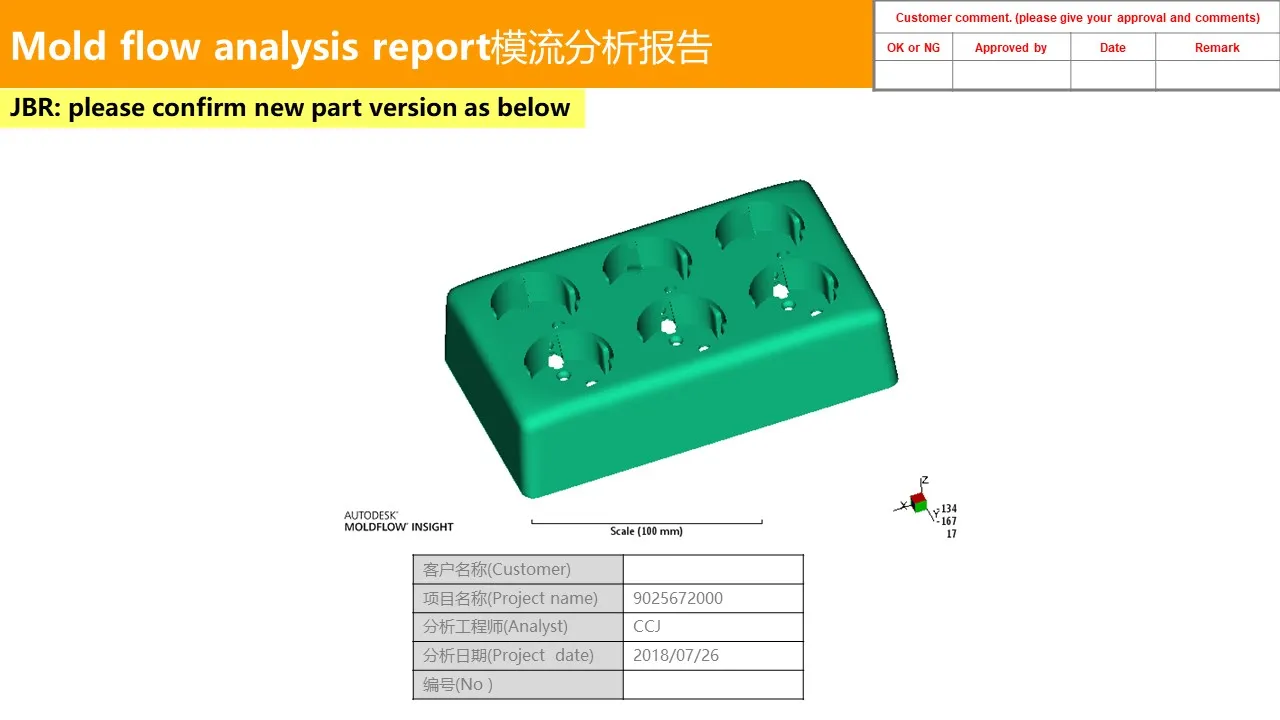
Product Overview and Material Insights
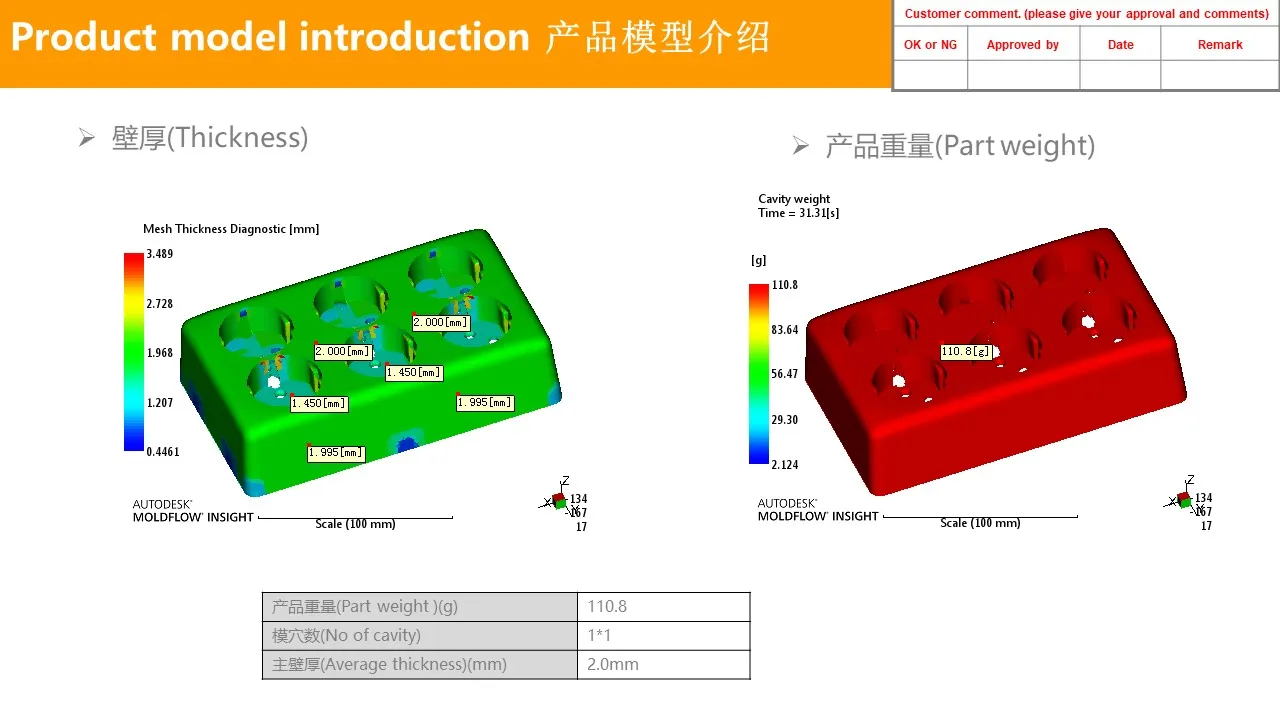
Product Model Introduction
The analyzed European Standard Socket model has a weight of 110.8 g with a uniform wall thickness of 2.0 mm, meeting European electrical standards. The single-cavity mold design prioritizes stability, cost efficiency, and manufacturing convenience.
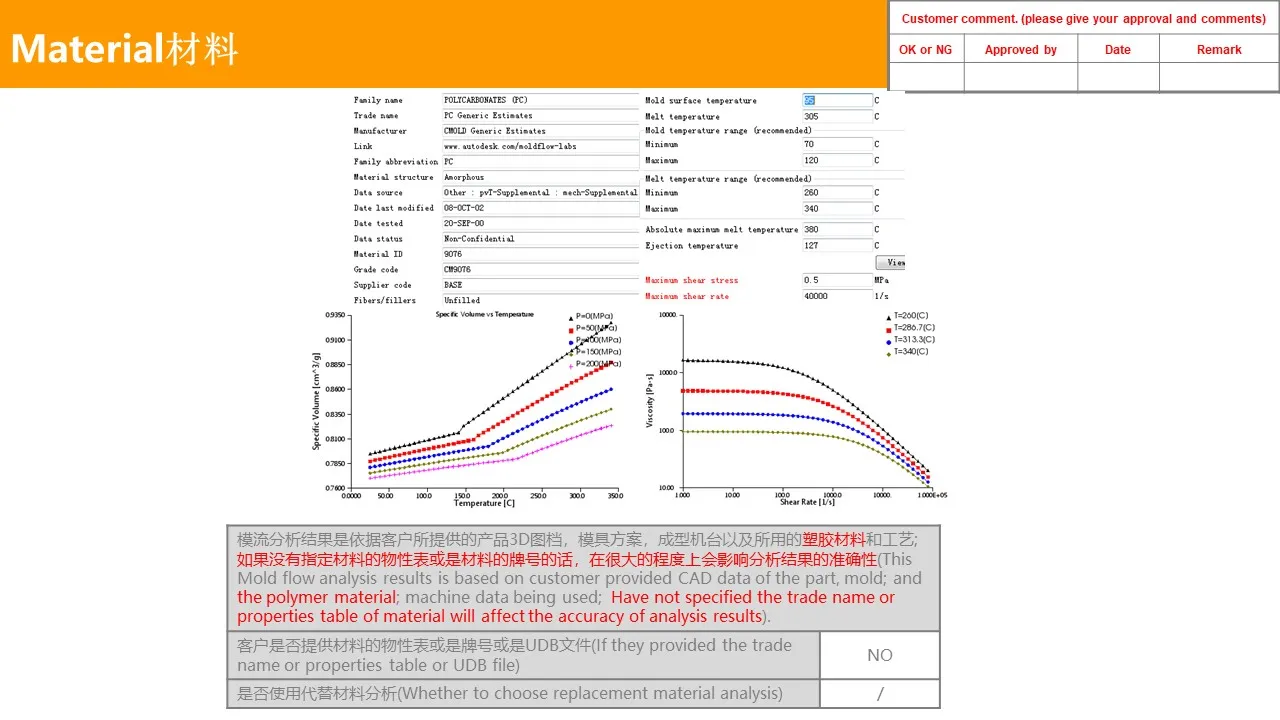
Material Properties
The analysis was conducted using generic material parameters due to the absence of detailed material property data from the customer. While this approach provides valuable insights, it highlights the importance of accurate material data for optimized results.
Gate and Runner System Design
Evaluation of Runner Systems
A hot runner system was employed, with key specifications as follows:
- Sprue diameter: Ø4 mm
- Hot gate diameter: Ø1.5 mm
- Hot runner volume: 12.3 cm³
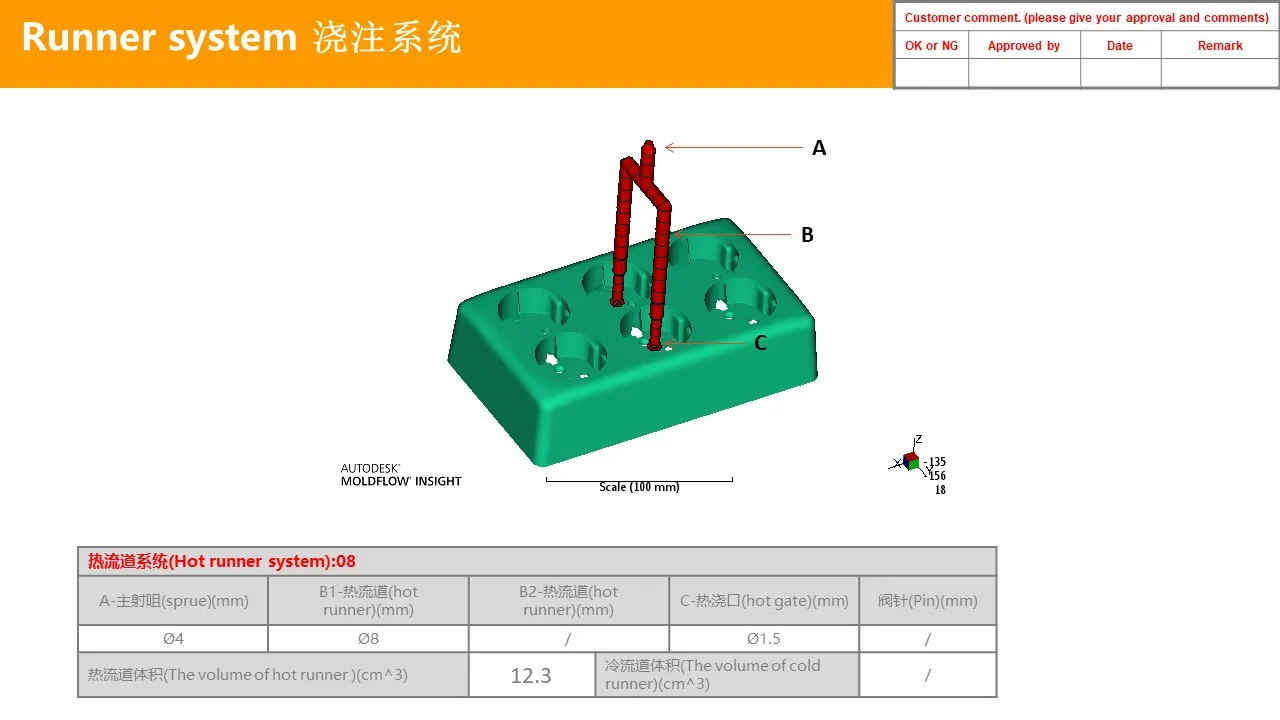
Gate Types and Placement
The direct gate design ensures balanced filling, minimal material waste, and optimized cycle times. Strategic gate placement also reduces the occurrence of weld lines and air traps, contributing to the socket's mechanical strength and visual appeal.
Processing Conditions and Simulation
Key Injection Parameters
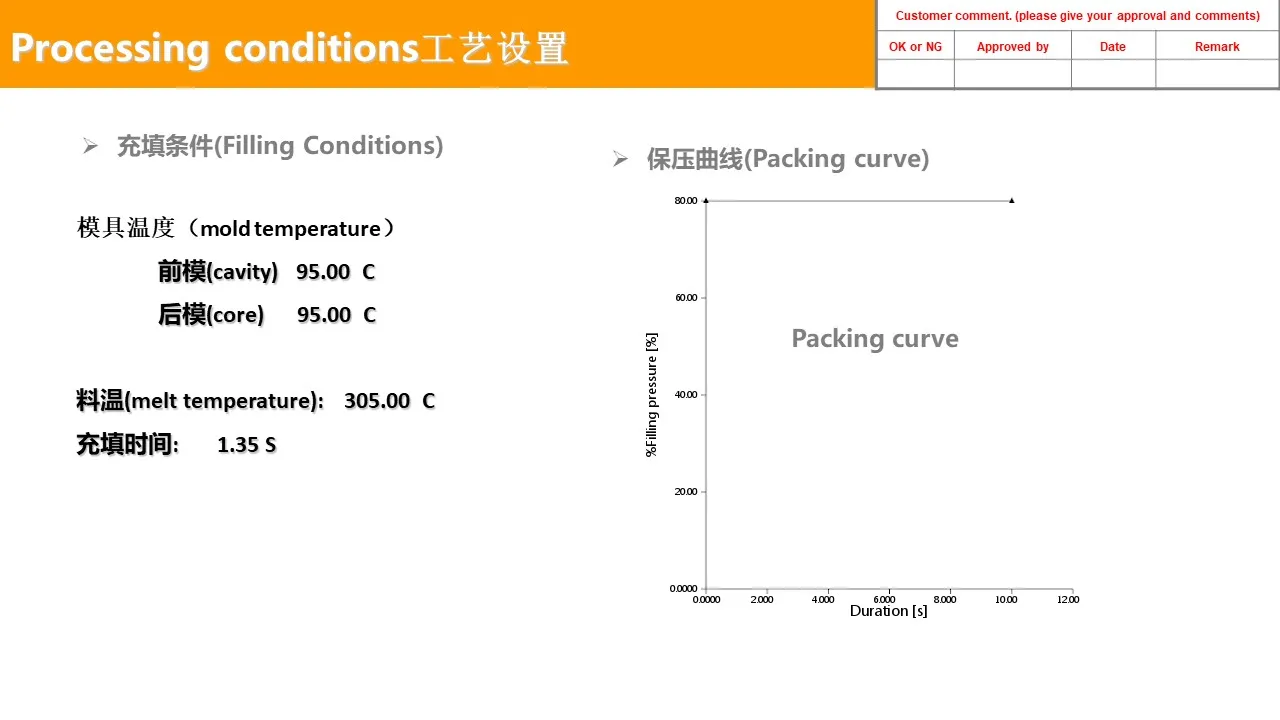
- Mold Temperature: Both front and back molds were maintained at 95°C for uniform cooling.
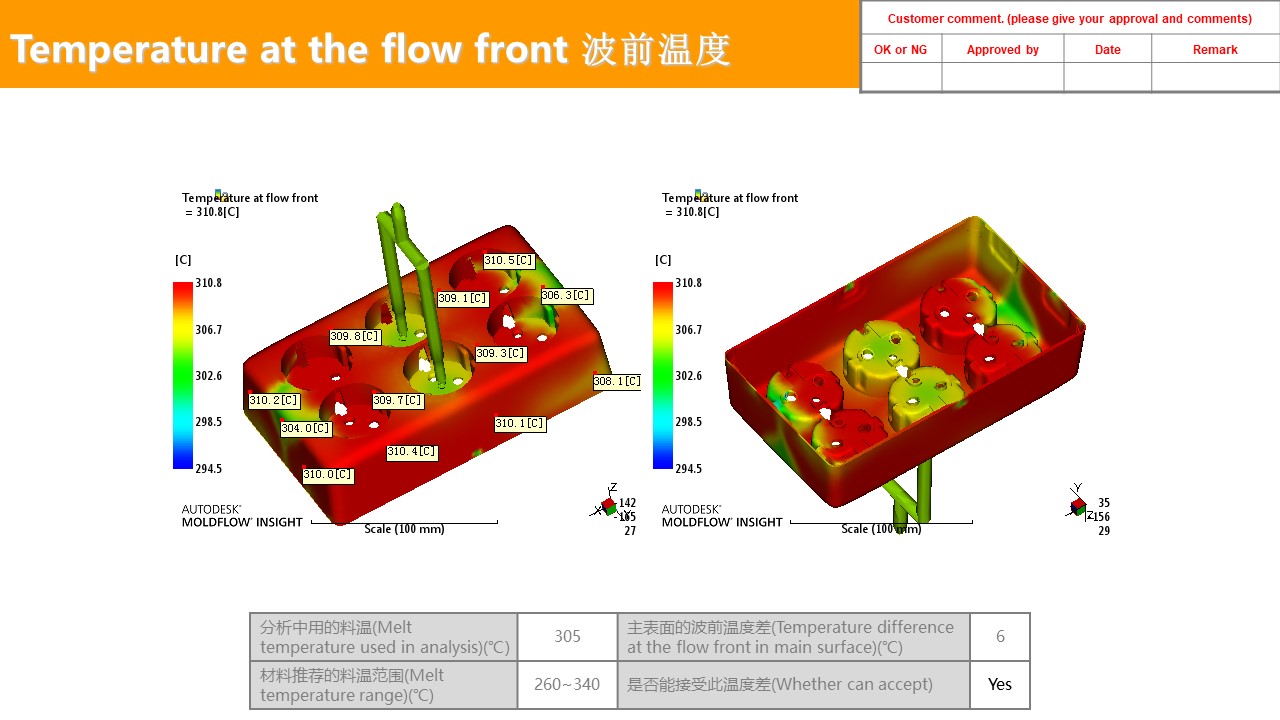
- Melt Temperature: Held at a consistent 305°C, adhering to material specifications.
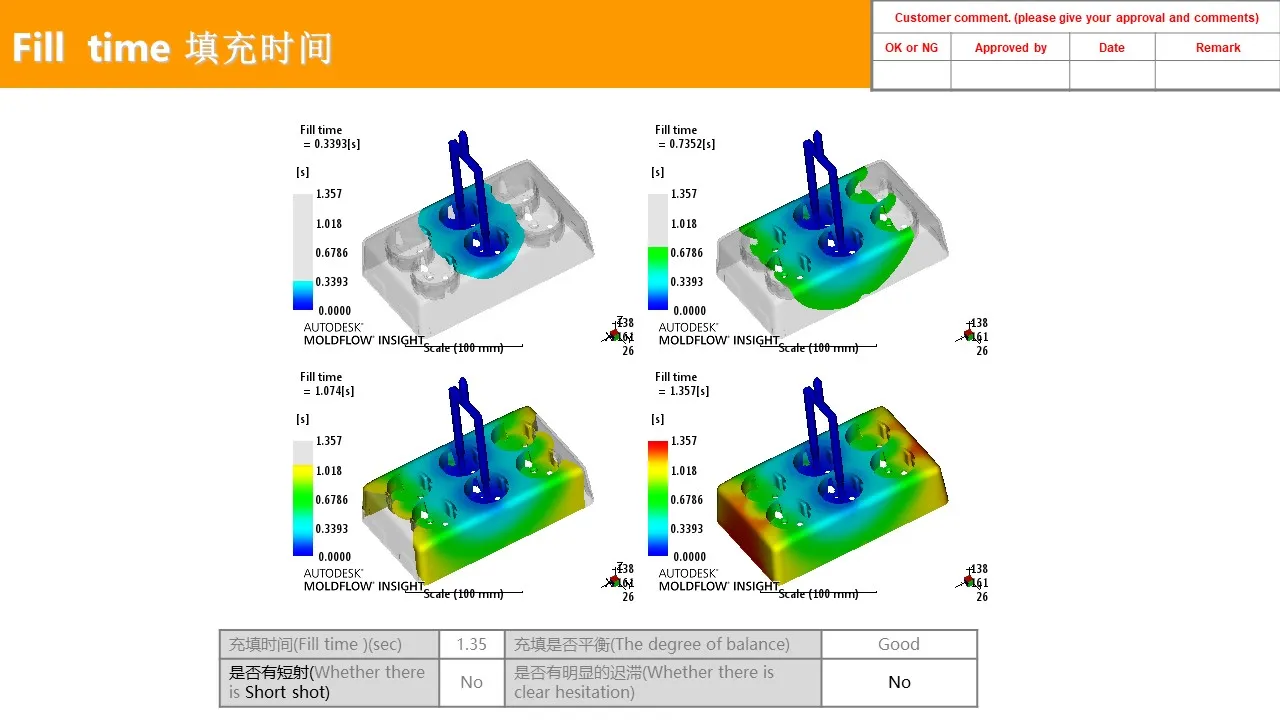
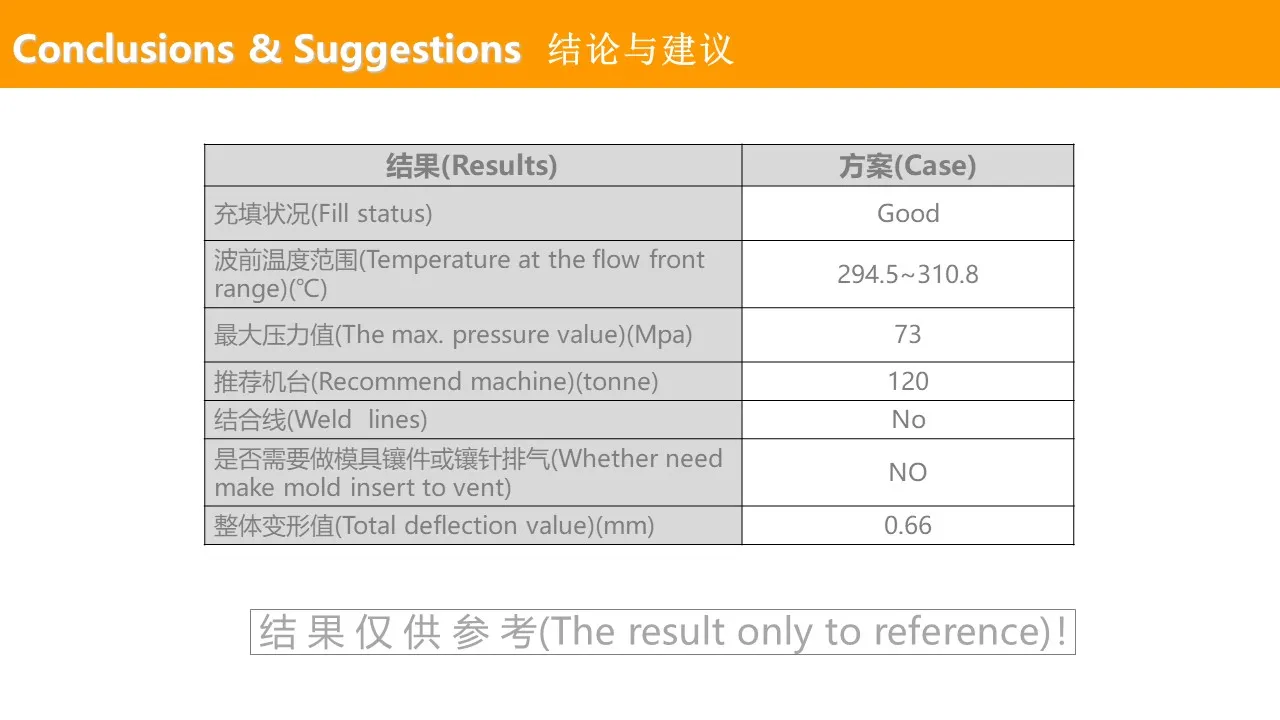
- Filling Time: Completed within 1.35 seconds, indicating a smooth material flow with no short shots or hesitation.
Pressure Analysis
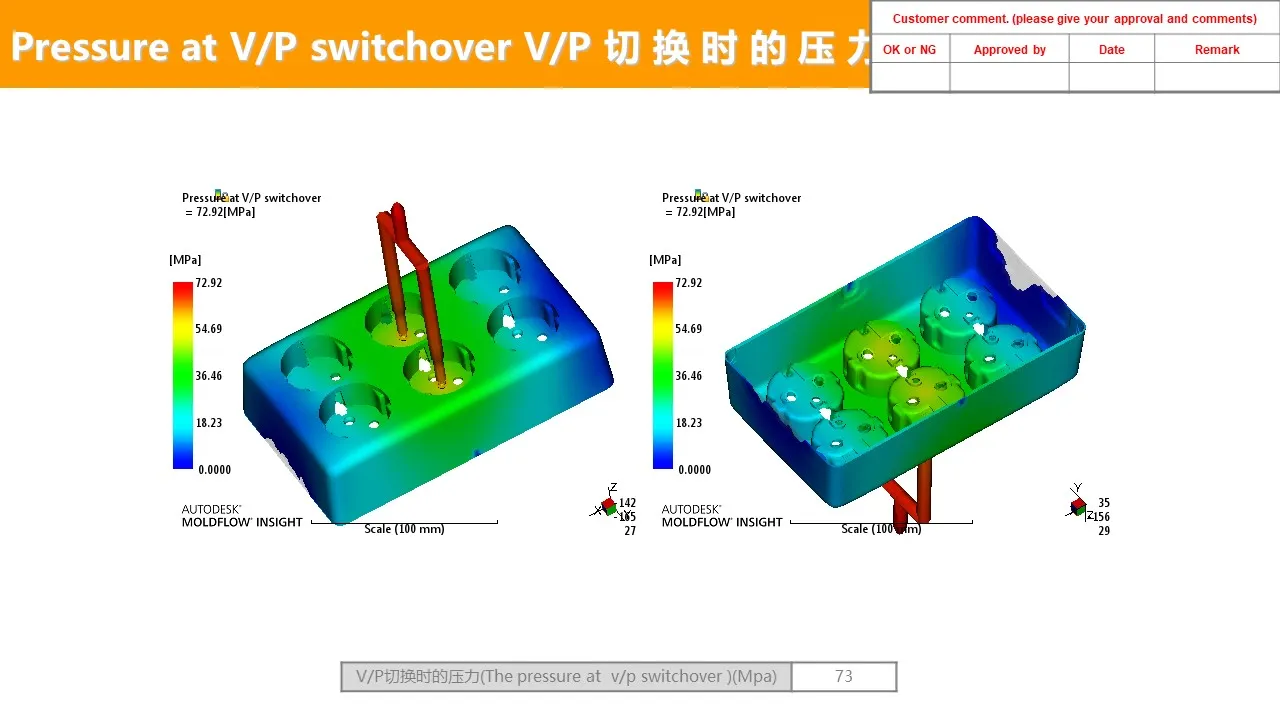
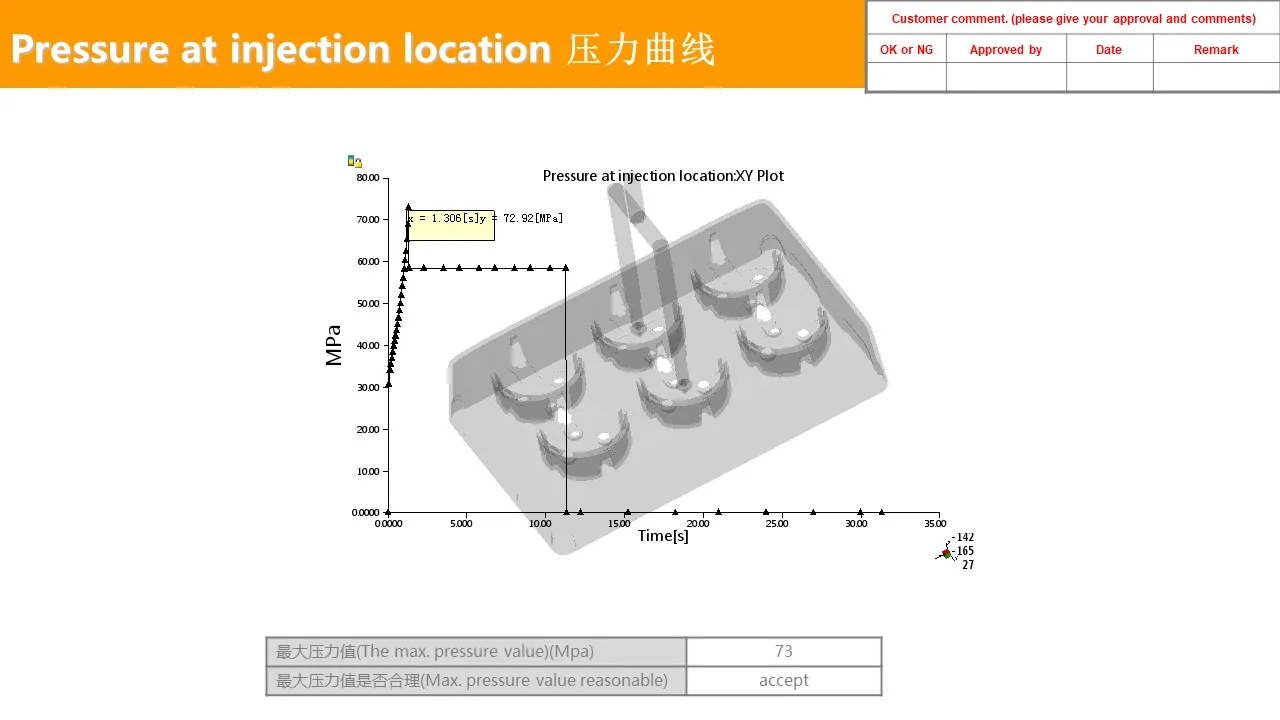
- V/P Switchover Pressure: Achieved at 73 MPa, confirming the material flow occurred under acceptable pressure.
- Maximum Injection Pressure: Verified to be reasonable, ensuring effective cavity filling without exceeding machine capacity.
Flow Dynamics Analysis
Fill Time Assessment
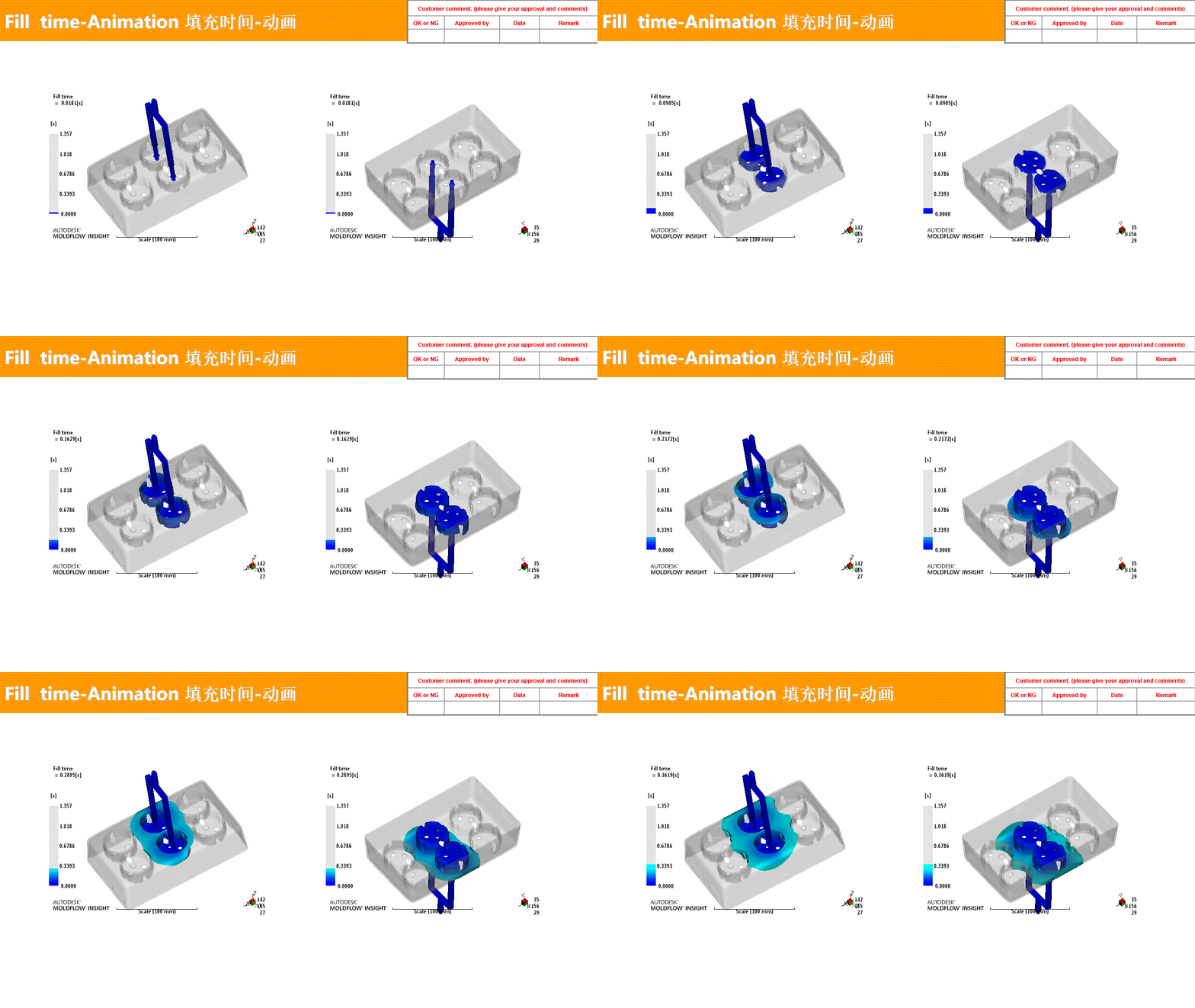
The simulation displayed a smooth filling curve, with no imbalances or delays. Uniform fill times are critical for structural integrity, particularly for electrical sockets adhering to strict safety regulations.
Temperature and Pressure Profiles
- Flow Front Temperature Difference: Maintained within 6°C, supporting uniform material solidification.
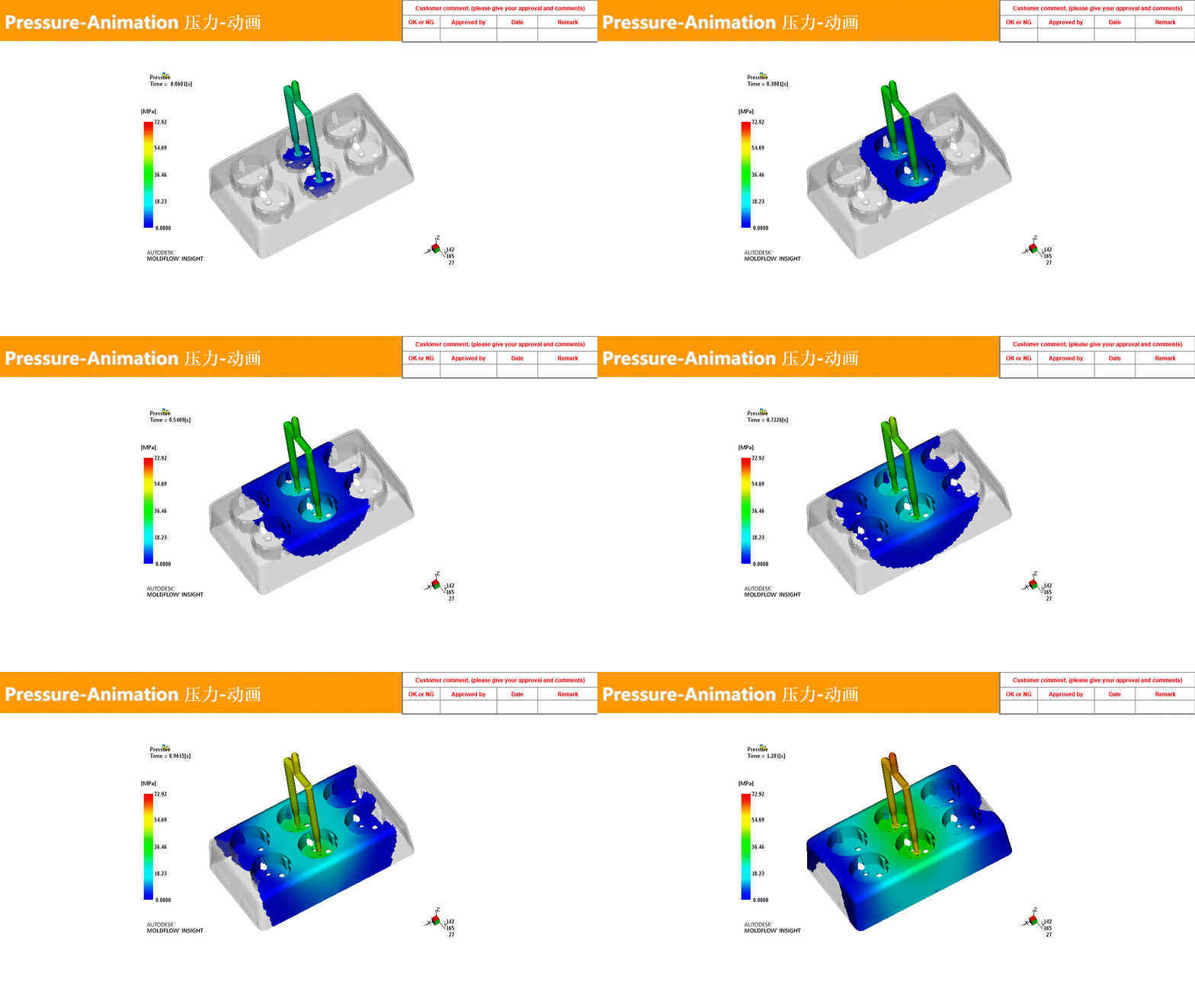
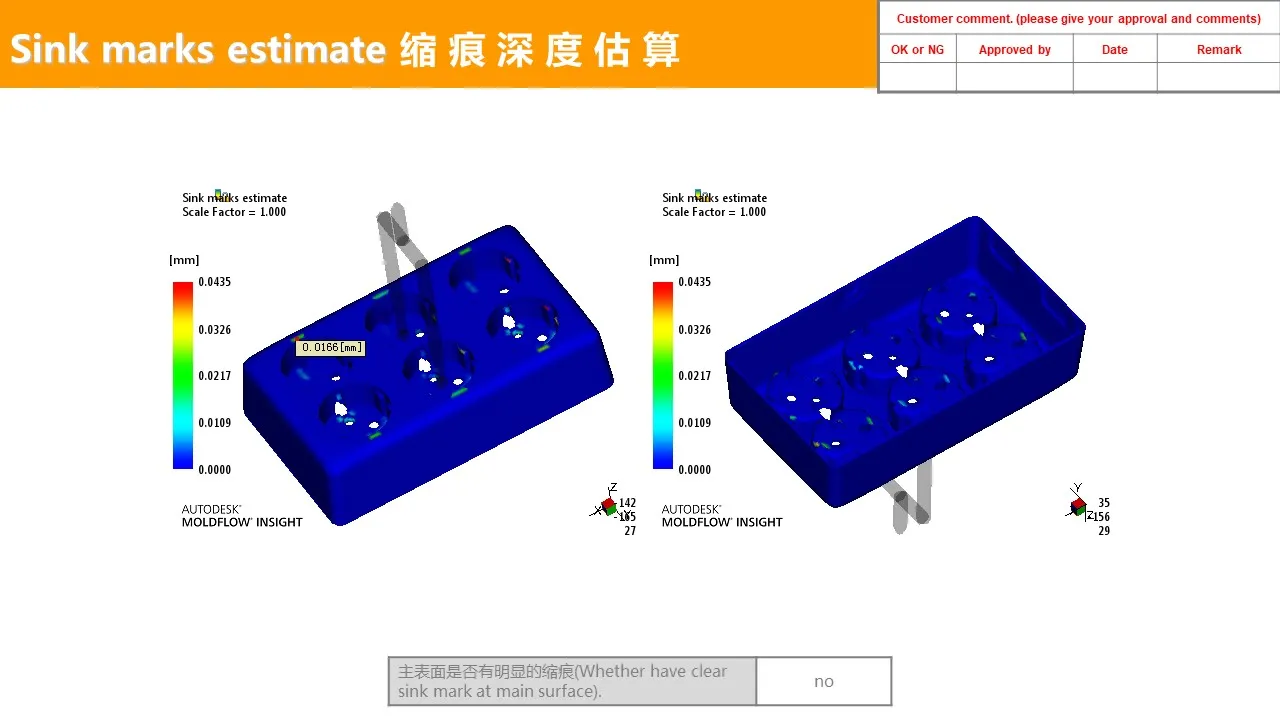
- Pressure Distribution: Maximum pressure values at injection points were within acceptable thresholds, avoiding defects such as sink marks or voids.
Defect Mitigation and Quality Assurance
Identifying and Addressing Defects
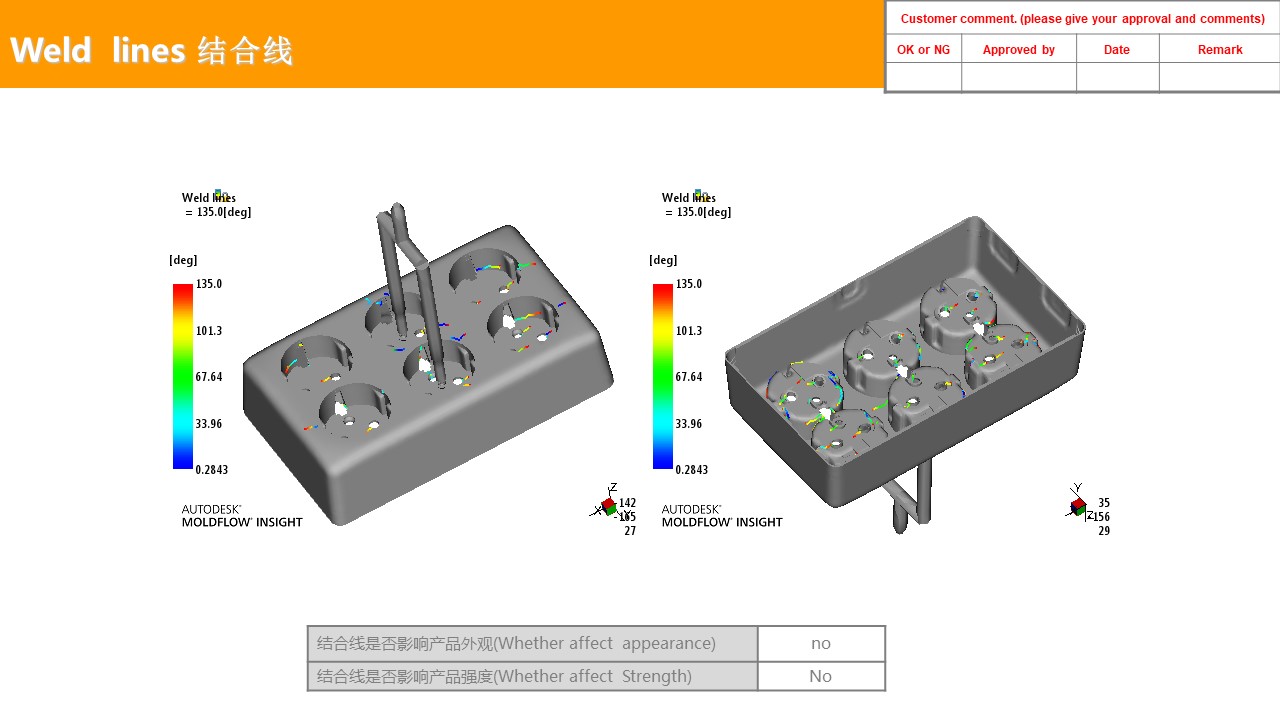
- Weld Lines: Minimal and strategically located away from critical areas, posing no threat to strength or aesthetics.
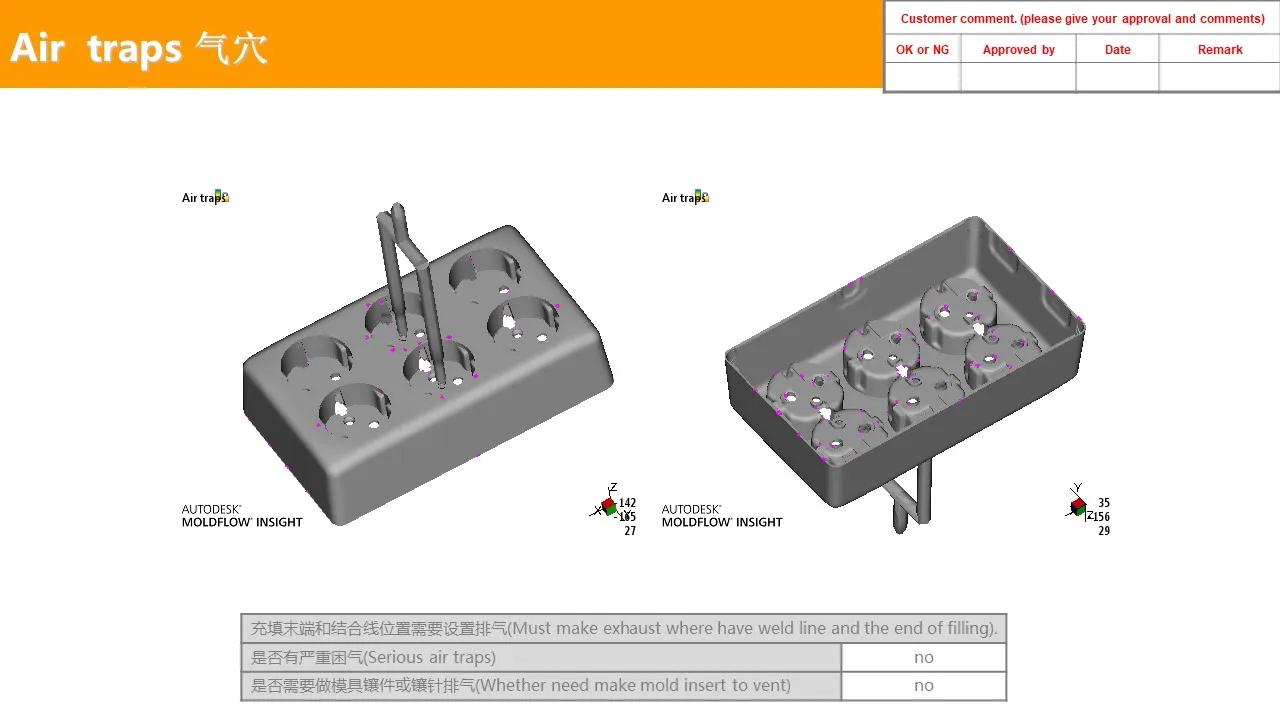
- Air Traps: None were observed, negating the need for additional venting measures.
Shrinkage and Warpage Control
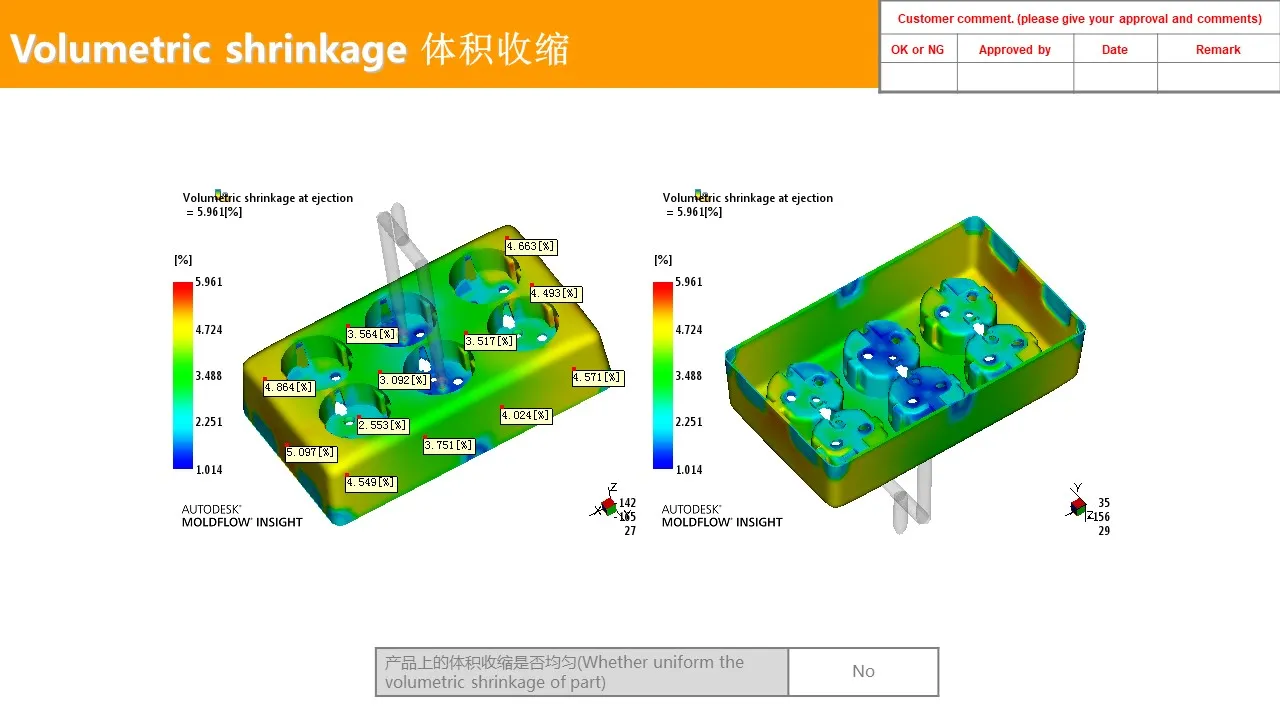
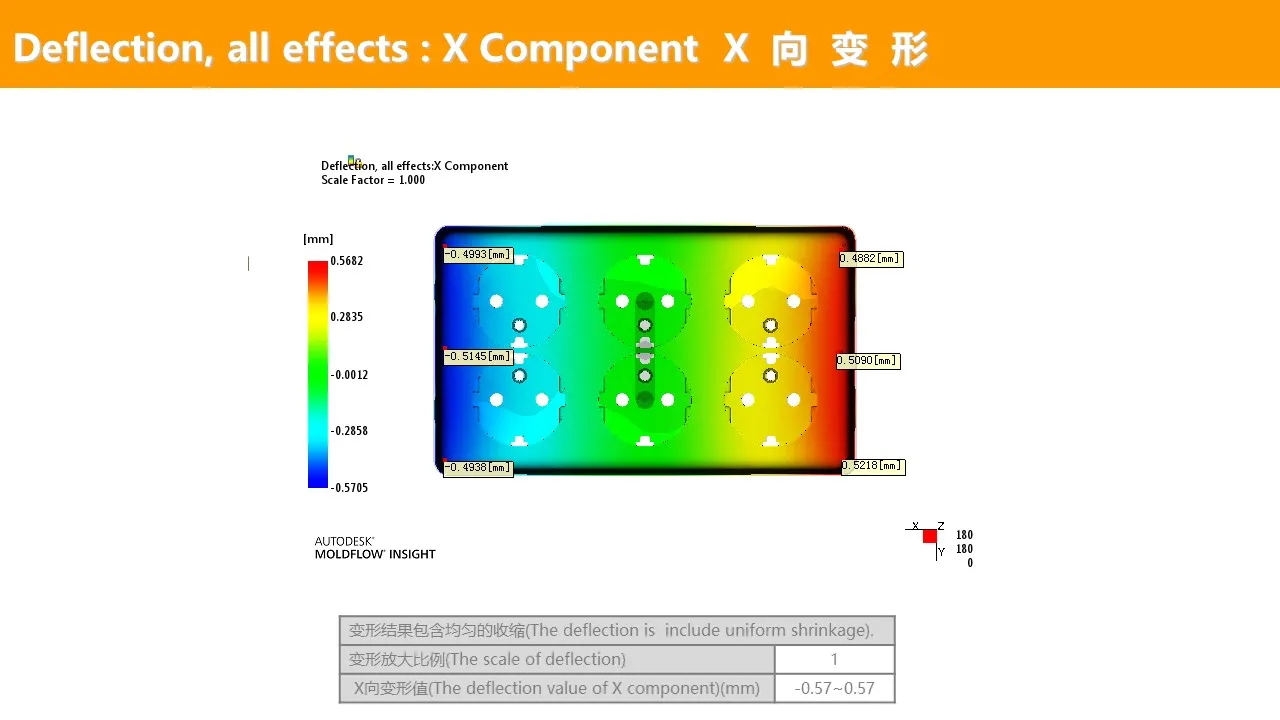
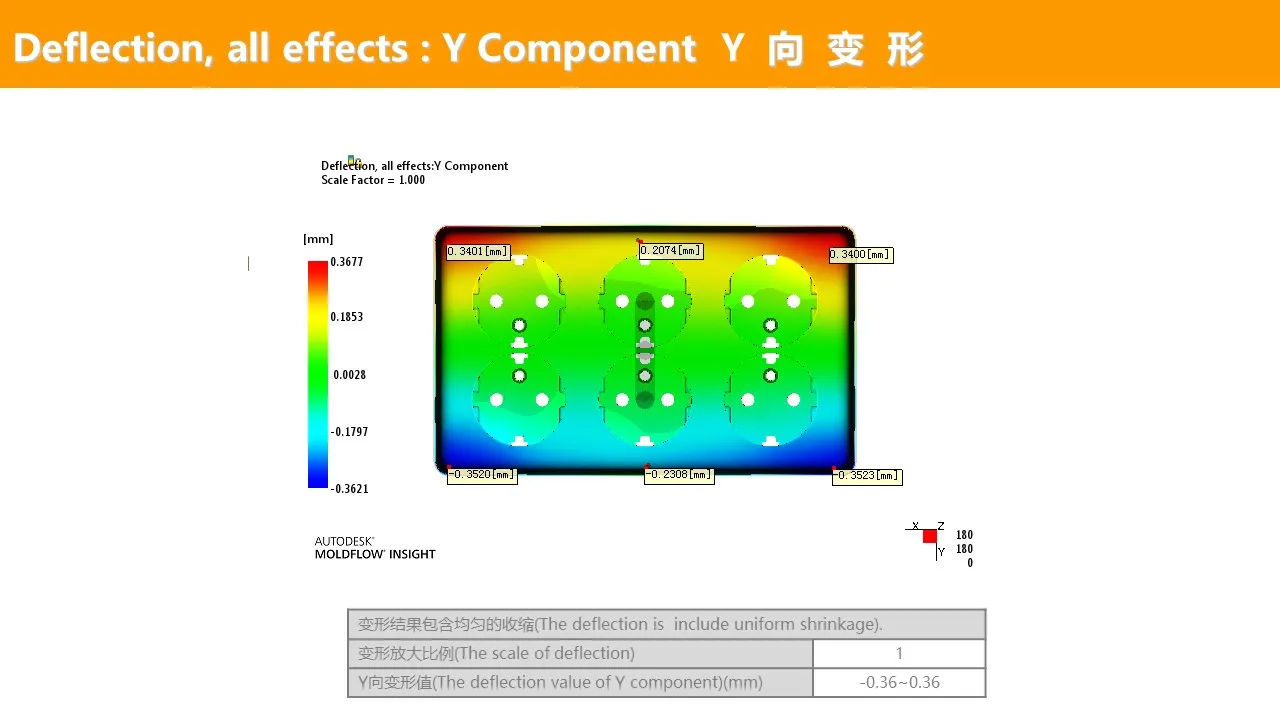
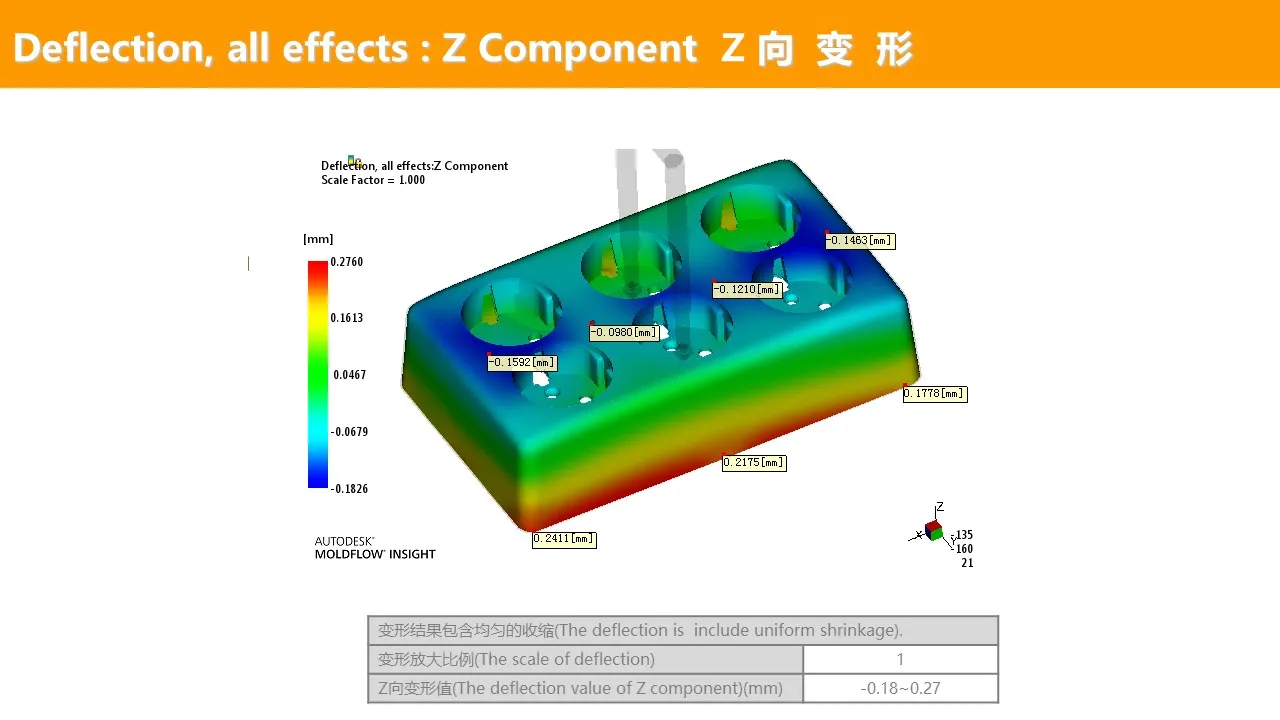
- Volumetric Shrinkage: While detected as non-uniform, it can be managed through cooling adjustments and process refinements.
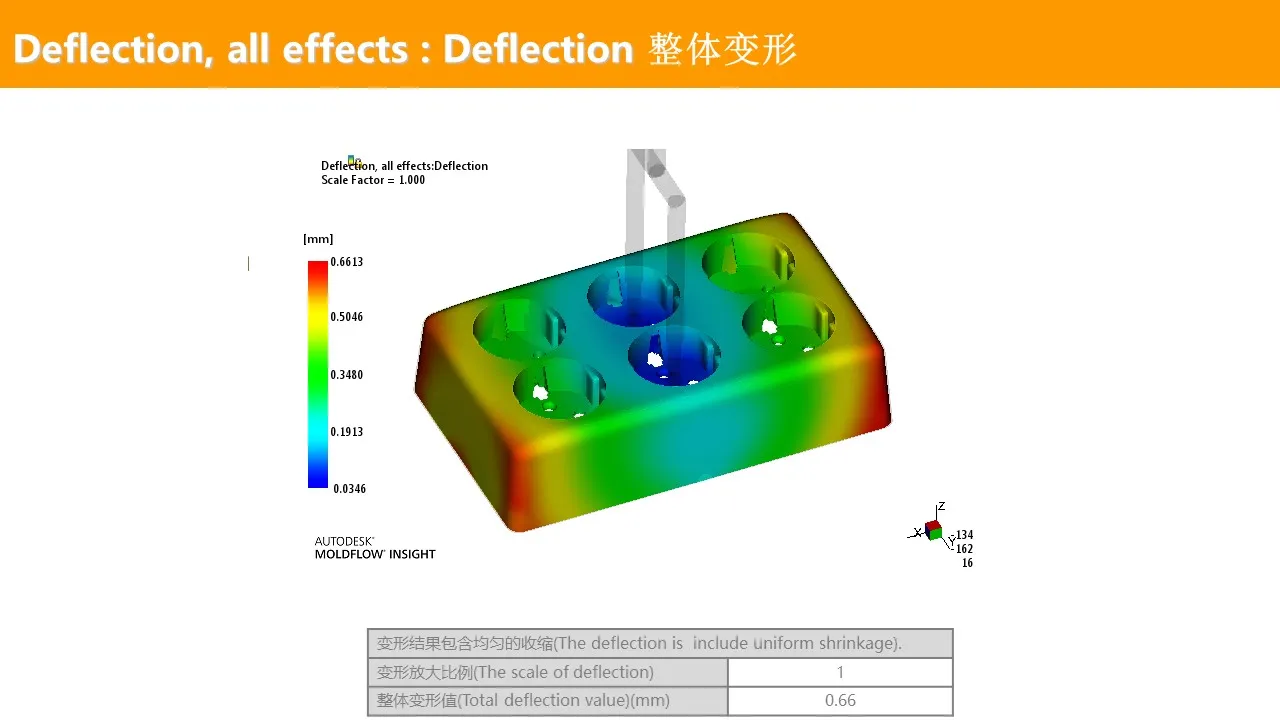
- Deflection Values: Total deformation was kept within 0.66 mm, adhering to acceptable tolerances.
Recommendations for Manufacturing
Key Takeaways for Optimization
- Ensure Accurate Material Data: Precise material information is vital for reliable analysis outcomes.
- Refine Gate Design: While effective, the direct gate layout can be further optimized for reduced cycle times.
- Adjust Tooling: Minor modifications to cooling channels can address shrinkage inconsistencies.
Recommended Machine Specifications
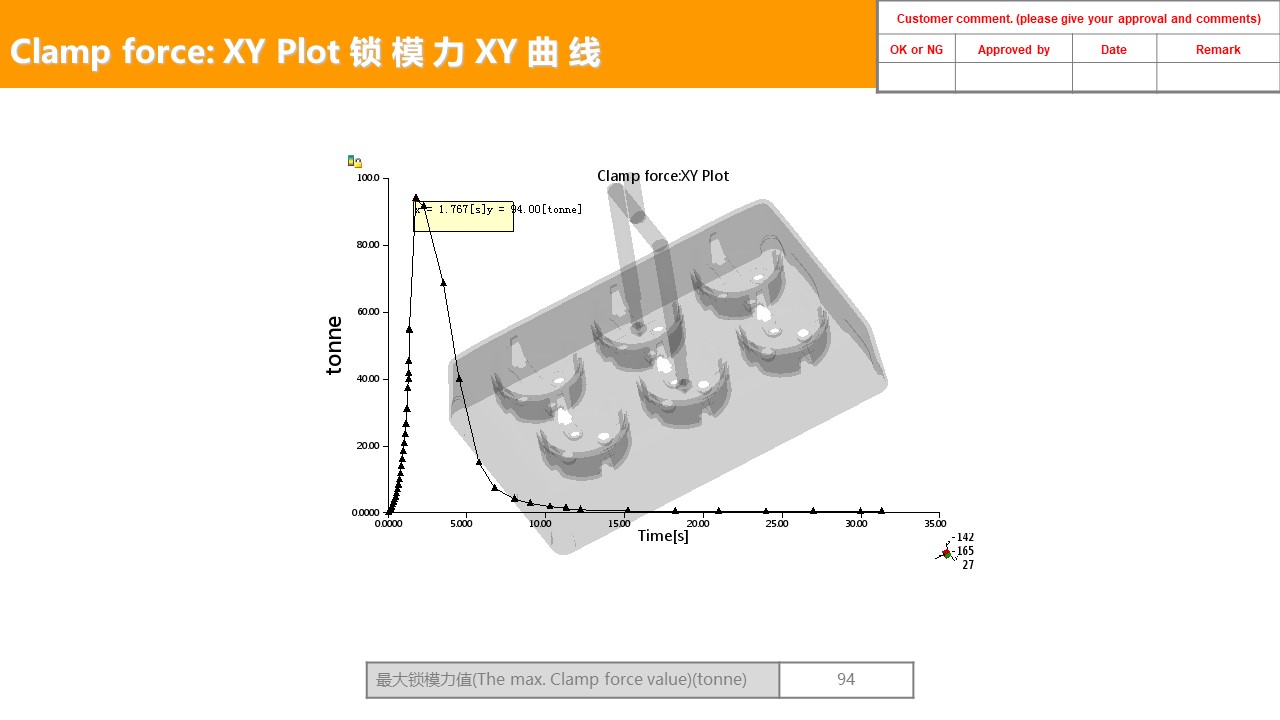
- Clamp Force: A 120-ton machine is sufficient for production.
- Injection Speed: Should be fine-tuned to maintain consistent flow rates.
Conclusion
The mold flow analysis for the European Standard Socket highlights JBR's commitment to precision and quality. Through systematic evaluations of material properties, gate design, and pressure profiles, the analysis ensures a reliable manufacturing process with minimal defects. These insights reinforce JBR's position as a One-Stop Injection Plastic Parts Provider.
FAQs
1. What is mold flow analysis, and why is it essential for sockets?
Mold flow analysis simulates the injection molding process to predict material flow, ensuring high-quality, defect-free products.
2. How does gate placement impact socket performance?
Proper gate placement ensures uniform material flow, reducing weld lines and defects that could compromise safety.
3. What is the significance of maintaining consistent temperature profiles?
Uniform temperatures minimize defects like warping and shrinkage, ensuring product durability and dimensional accuracy.
4. Why is material data accuracy important?
Accurate data ensures simulation reliability, aiding in optimizing processes and reducing production errors.
5. How does JBR ensure high-quality socket production?
By leveraging advanced mold flow analysis and adhering to stringent quality standards, JBR guarantees robust and reliable products.